Windshield work is supposed to solve a problem, not create a new one. Yet I still see cars with adhesive smears on the dash, trim clips missing from the A-pillars, or a sprinkling of glass dust that reflects sunlight like glitter for weeks. Mobile service is convenient, especially around Sanford where commutes zigzag between I‑4, 417, and neighborhood streets, but convenience should not come at the cost of your interior. If you’ve scheduled sanford mobile windshield repair or you’re comparing providers for sanford auto glass repair, it pays to know what a careful technician does to protect seats, trim, electronics, and air quality while the job gets done.
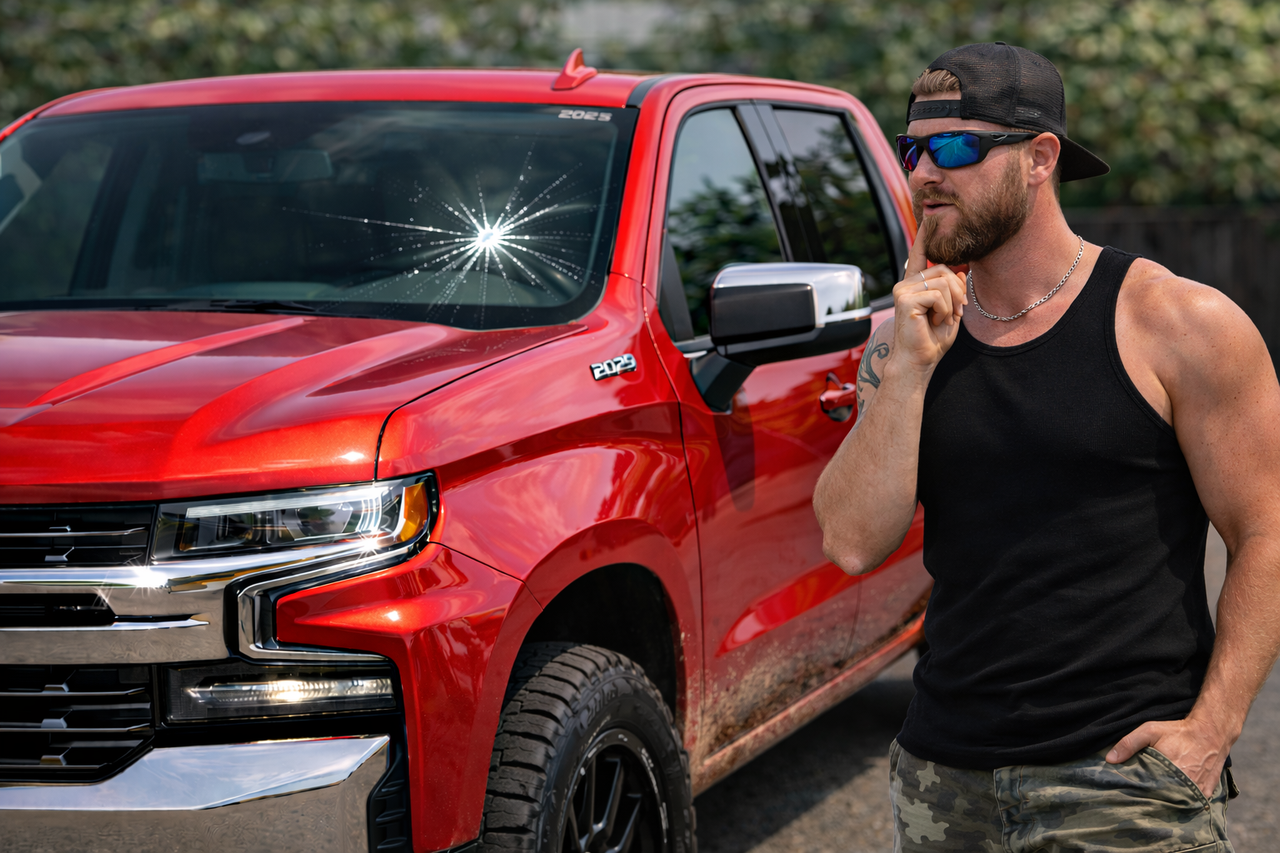
This guide pulls from real jobs in driveways and office lots around the Sanford area. It covers how windshield and car window work actually happens on site, why interiors sometimes get damaged, and the practical steps to avoid it. Whether you’re facing a cracked windshield Sanford situation that needs replacement, or a quick rock chip repair Sanford appointment, the same principles apply: prepare the space, control dust and adhesives, respect the vehicle’s systems, and verify that nothing is left behind.
Why interiors get damaged during auto glass work
Windshield replacement is a controlled demolition followed by precision bonding. The steps are simple in concept and full of hazards in practice. The old glass must be cut free from urethane, lifted out without flexing the pinch weld, and the channel must be prepped for new adhesive. Even during small repairs, technicians work near trim, sensors, and delicate upholstery. The problems usually fall into five categories.
First, debris and glass fines. When a windshield fractures during removal, it sends slivers everywhere. Tempered sidelights burst into beads that roll under seat rails and into speaker grilles. Even laminated glass sheds dust.
Second, adhesives and primers. Urethane bonds are strong for a reason. A stray string of fresh urethane can ruin a seat cover or leave a glossy mark on textured plastics. Primers are solvent based, great for paint adhesion, not kind to leather.
Third, trim and clips. The A‑pillar moldings and cowl panels often hide brittle clips. Cold weather makes them snap. Rushing a job can leave a gap that whistles on the highway, or, worse, a loose airbag curtain cover.
Fourth, electronics and sensors. Modern vehicles rely on windshield-mounted cameras for lane keeping and auto high beams. The dash houses speakers, heads-up projection units, and HVAC sensors. Moisture, metal shavings, or a misrouted wire can cause gremlins that surface months later.
Fifth, contamination of the bond. Interior dust, moisture from a recent detail, or a greasy dash dressing can migrate into the bonding area and compromise adhesion. A windshield that doesn’t seal right can creak, leak, or lose structural integrity in a crash.
Good shops anticipate each of these. When you book sanford windshield repair or sanford windshield replacement, the conversation shouldn’t end with the price and appointment window. Ask how they protect the cabin. If the answer is vague, move on.
What a careful mobile technician does before touching the car
On a quality service call around Sanford, set up starts the minute the van door slides open. The best techs treat the work area like a small operating room. They choose a flat spot with enough light, then check the forecast. Rain, heavy wind, or a spore-laden pollen day can all influence the plan. If weather threatens, rescheduling is better than a compromised bond.
Before tools come near the vehicle, the tech should walk the car with you, note prior damage, and discuss interior features that matter. If you have custom seat covers, integrated tablet mounts, or delicate trim, this is when to talk. On cars with advanced driver assistance systems, the tech will confirm whether dynamic or static calibration is needed after glass installation and what that entails.
Inside, protection starts with real coverings, not just a shop towel. Expect a grippy, impermeable dash mat to prevent primer spots, fender covers or blankets over the front seats, and a floor mat liner to catch glass. A roll of painter’s tape and masking film should be close at hand. Visors fold down and get taped if necessary to keep dust off vanity lights and fabric. HVAC vents are shut and often masked. The steering wheel gets covered to prevent oils or primers from touching leather.
If you’re booking mobile auto glass Sanford during work hours, clear space on the dash and seats before the tech arrives. The more surface area covered and clutter removed, the better the outcome.
Rock chip repair versus full replacement, and why the interior still matters
Plenty of customers assume a small rock chip repair Sanford appointment won’t involve the cabin. The resin injection happens on the outside, so what’s at risk? Mainly air quality and overspray. Some resins and UV primers have noticeable odor. A professional will keep the interior ventilated, crack a door or lower a rear window, and avoid placing tools on the cowl or dash. They’ll also use a shade or shield to control UV curing, which prevents glare and protects interior materials from incidental exposure to UV lamps.
For full sanford auto glass replacement jobs, the stakes go up. Removing the old windshield often requires cutting tools. Wire systems are common, with two posts on either side and a cutting cord traced through the urethane. Traditional cold knives and oscillating tools still see use. Each has different debris patterns and risks. Wire systems, used thoughtfully, reduce paint damage along the pinch weld and limit glass dust. Knives can gouge the dash if they slip. Oscillating tools throw particles. A good tech mitigates these with guards and interior masking.
The small steps that prevent big messes
Some of the best protections are simple habits. For example, when the old glass is freed and lifted, a tech should wear cut-resistant gloves and long sleeves, then tilt the glass away from the cabin as it comes out. They avoid setting the broken piece on the hood where grit can mar paint, choosing padded stands instead. During urethane removal, they vacuum and wipe the channel before anything falls inward. If a sliver does drop, it gets trapped by coverings, not carpet.
Priming the pinch weld and glass edge is another point of risk. Overshoot can mist onto the dash or pillar fabric. Masking the perimeter and using a fine-tip applicator prevents those freckles that never quite come off. Urethane application requires steady hands and a clean nozzle. Professionals keep a solvent towel within reach to catch a stringing bead before it flicks into the car.
There’s also a rhythm to reassembly. A‑pillar trim returns only after the glass is set and indexed correctly. A careless snap can break a clip or misalign curtain airbag covers. Cowls must seat uniformly along the bottom edge, with wiper arms torqued to spec. Water test procedures vary, but even mobile technicians should carry a pressurized sprayer for checking leaks around the glass perimeter before declaring the job finished.
Special considerations for ADAS-equipped vehicles
Sanford’s mix of late-model SUVs and sedans means a large percentage of windshield jobs involve recalibrating cameras and sensors. After sanford windshield replacement, many cars require a dynamic calibration, which uses the road and a scan tool to complete the process. Others need a static calibration with a target board and exact distances in a controlled environment. Protecting the interior here means more than covers. It means not touching camera lenses with bare fingers, securing wires in their original channels, and reattaching trim without pinching harnesses.
We have seen more than one case where a car’s lane departure system threw codes after a DIY or corner-cut windshield install. The adhesive cured fine, but a camera bracket had a half-degree tilt. A careful technician uses OEM spec glass and brackets, verifies the centerline, and keeps the mounting area free of dust and lint that could fudge sensor readings. If you’re shopping for sanford auto glass replacement and you rely on driver assistance features, ask how calibration is handled, where it happens, and whether a test drive is included.
Moisture, mildew, and Florida heat
Sanford’s humidity complicates auto glass work. Moisture is the enemy of adhesion and interior fabrics. A mobile installer needs to watch dew points and rain forecasts. On muggy mornings, the vehicle should stay closed except for brief access to minimize damp air reaching the bond line. Silica packs and interior fans can help if the car sat overnight with a broken window.
After a window shatters, especially a backlight, rain can soak into seat foam and carpets. A rushed sanford car window replacement that pops in a new glass without addressing moisture sets the stage for mildew and odor. The better approach is to extract water, lift rubber door seals to dry the pinch area, and run the HVAC with defogger and recirculation off to expel damp air. Lightweight ozone or enzymatic treatments can neutralize odor after cleanup, but prevention is always cheaper.
Heat matters too. Urethane cure times depend on temperature. In summer, safe drive-away can be as quick as 30 to 60 minutes depending on the adhesive. In cooler months or a shaded carport, it can stretch longer. A responsible technician will explain this window and tape the glass as needed to prevent shifts. Taping should be clean, paint-safe, and removed on schedule, not left to bake glue residue into clearcoat.
How to prepare your car for mobile glass service
A little prep from the owner speeds up the job and protects the cabin.
- Remove valuables, dash ornaments, and paperwork from the front seats and dash. Clear any aftermarket dash mats and phone mounts.
- Park on level ground with space around the front of the car. If shade is available without tree sap or heavy pollen, choose it.
- Disable valet mode or provide keys for all doors and the trunk. Technicians sometimes route blades or wires from multiple angles.
- Turn off automatic wipers. Surprise sweeps can damage new blades or scratch fresh glass.
- Let the technician know about previous bodywork, repainted pillars, or replaced headliners. Fresh paint and adhesives need extra care.
Those five steps take five minutes and prevent the most common avoidable problems. They also give the tech room to build barriers, place stands, and lay out tools without risking scuffs.
What good cleanup looks like
The job’s not done when the glass is in. Cleanup says as much about a provider as the cut and cure. Inside the car, a HEPA vacuum handles glass dust and the tiny cubes from tempered glass. Compressed air is useful, but blowing debris deeper into vents or under seat tracks helps no one. Expect the tech to lift floor mats, run the crevice tool along the seat base and door sills, and wipe the dash where coverings sat. If overspray or fingerprints appear on the glass, they should disappear before the tech leaves, not after you notice streaks in morning light.
Outside, the cowl should be free of old urethane strings. Wiper arm caps must be seated. The hood and fenders should be clear of handprints and adhesive smudges. Quality shops keep a bucket for debris so you don’t find crunchy surprises in the driveway later.
You should receive guidance on curing time, tape removal, and when it’s safe to wash the car. If water testing happened, the technician will point out any lingering damp spots and how they’ll resolve. A quick demo of the wipers, washers, rain sensor, and a visual check of the camera view rounds out the process on ADAS vehicles.
The difference between repair and replacement for long-term interior protection
Some cracks demand replacement. Others fall into a repairable zone that preserves the original factory seal and, by extension, reduces the chance of interior disruption. Small bullseyes and star breaks away from the driver’s line of sight can often be stabilized in 20 to 40 minutes. The resin stops the crack from traveling and improves clarity. When you’re weighing sanford windshield repair against sanford windshield replacement, remember that a successful repair avoids removing trim, disturbing the cowl, or touching headliners. It’s not only cheaper but gentler on the vehicle.
That said, repairs have limits. Cracks longer than about 6 to 14 inches depending on location, damage near the edges, or chips that pierced both layers of laminate typically require replacement. Repeated temperature swings on Florida roads can turn a borderline chip into a creeping crack in a day. A prudent approach is to schedule rock chip repair Sanford as soon as you see damage. Mobile service can meet you at work, protect the interior with minimal setup, and get you back on the road without the more invasive steps of replacement.
Choosing a Sanford provider who respects interiors
Reputation matters, but ask specific questions that reveal process, not just price. Here’s a quick rubric I use when evaluating mobile auto glass Sanford services:
Do they describe their interior protection routine without prompting? The right answer mentions covers, masking, and HEPA vacuums.
What adhesive and primer system do they use, and what are the safe drive-away times at typical Sanford temperatures? Clear answers here reflect training, not guesswork.
How do they handle ADAS calibration after sanford auto glass repair involving a replacement? Look for partnerships with calibration centers or in-van capabilities, plus a test drive when needed.
Will the same tech who cuts the old glass also finish the cleanup and walkthrough? Hand-offs can work, but accountability matters.
What’s the warranty, and does it cover water leaks and stress cracks tied to installation? Interior damage coverage should be explicit.
Shops that do high volumes of insurance work often have robust processes, because claims scrutiny forces consistency. Independents can be excellent too, especially those who keep seasoned techs and stake their name on quality. Either way, the technician’s habits matter more than the logo on the van.
Adhesives, primers, and the materials inside your car
Leather, vinyl, Alcantara, woven headliners, piano-black trim, and soft-touch plastics each react differently to solvents. Primer drips can dull a satin finish, leave shiny spots on textured plastics, or stain light-colored fabrics. Urethane smears can tear fibers if scraped after curing. The preventive measure is to never let these materials touch the interior, but accidents happen. When they do, immediate response helps. Primer on vinyl sometimes lifts with isopropyl alcohol and a microfiber, dabbed not rubbed. Urethane strings can be rolled off gently while fresh, then any residue removed with a plastic razor and adhesive remover safe for automotive plastics. On headliners or Alcantara, stop. Aggressive cleaning often makes it worse. This is where a seasoned tech calls the office, documents the issue, and arranges professional detailing or trim replacement under warranty.
These details aren’t scare tactics. They’re reminders that sanford auto glass replacement is a craft. The same technician who keeps primers confined to the bond can also keep your interior pristine.
Case notes from local jobs
A delivery driver’s Transit van in Lake Mary needed a windshield after a stress crack spread across the lower third. The van had a fabric dash cover and lots of loose paperwork. We spent five minutes clearing the dash, added a full-length mat, taped off both A‑pillars, and masked vents. Wire cutting avoided prying. The wind was gusty, so we anchored the cutting posts and staged the lift with two techs. The cabin stayed clean, and the job took 90 minutes including a dynamic calibration on a test loop along Rinehart Road and 46. The driver kept working the same afternoon.
A family sedan near Seminole State had a shattered rear door glass from a break-in. Tempered beads were everywhere, especially in the window track and speaker grille. We used a crevice tool and small brush to coax beads out, then pulled the door panel to vacuum inside the door shell. Skipping that step would have left beads rattling for months. The owner appreciated the extra time, and the door no longer sounded like a rainstick.
A luxury SUV in Sanford with a heads-up display needed OEM glass to preserve clarity. We masked the projector opening to avoid dust, then verified HUD alignment before final cleanup. No adhesive smudges on the piano-black trim, which is where cheap gloves and careless movements usually leave marks.
Insurance, scheduling, and timing realities
If your policy carries glass coverage, many sanford auto glass repair or replacement visits can be scheduled through your insurer’s claims portal. You can still choose the shop. Don’t feel locked into the first name presented. Ask for appointment windows that align with weather and shade at your location. Morning slots often help with heat and afternoon storms in summer. Allow the full cure time before a highway drive. If the technician says an hour, give it a little more if you can, especially with larger, heavier windshields.
For cracked windshield Sanford claims that require rapid replacement, you might see a next-day window. If a severe storm just rolled through and half the town needs glass, prioritize quality over speed. A rushed job in a downpour is a recipe for future leaks and interior cleanup headaches.
A word on aftermarket versus OEM glass
Aftermarket glass quality ranges from excellent to marginal. For many daily drivers, a reputable aftermarket windshield matches clarity and fit well enough. For vehicles with complex HUD systems or sensitive camera brackets, OEM can save headaches. Fitment impacts interior protection because poor edge tolerances force more manipulation during install, increasing the chance of trim scuffs or headliner contact. In conversations about sanford windshield replacement, favor shops that are transparent about which glass they’re installing and why. If they push a brand you’ve never auto glass repair sanford heard of, ask about optical distortion testing and bracket accuracy.
Final checks you should expect before the tech leaves
You don’t need a checklist to police the process, but a brief walkthrough prevents callbacks.
- Inspect the dash, A‑pillars, seats, and floor for debris, smears, or tape residue. Run your hand across the dash to feel for grit that might not be obvious.
- Operate the wipers, washers, rain sensor, and defroster. Look for streaking or chatter that suggests contaminated blades.
- If your vehicle has cameras or sensors, confirm that warning lights are off and that calibration was performed or scheduled. A short ride can help verify lane assist or adaptive cruise readiness when safe.
- Check the glass edge trim and cowl line for even gaps. Listen for wind noise on a brief drive around the block.
- Confirm cure time, tape removal timing, and any restrictions on car washes or door slamming.
These five touchpoints take three minutes and give you leverage if something’s amiss. Good techs welcome the scrutiny. It shows you care about the car as much as they do.
The bottom line for Sanford drivers
A mobile glass appointment should feel straightforward. The van arrives, the technician sets protections, the work happens without drama, and the interior looks untouched afterward. That outcome isn’t luck. It’s the result of training, materials, and habits that emphasize containment and respect for the cabin.
If you’re booking sanford mobile windshield repair, sanford auto glass replacement, or sanford car window replacement, choose a provider who talks confidently about interior protection. Time the appointment with weather in mind. Prep the car by clearing surfaces and providing access. Expect real coverings, careful masking, smart tool choices, and a deliberate cleanup. For small chips, seize the chance to repair and avoid a more invasive replacement. For replacements, value ADAS know-how and correct adhesives over the lowest price.
Do that, and the only sign of the visit will be a clear view of the road. No glittering glass dust in the vents, no mystery smears on the dash, no creaks from loose trim. Just restored safety, a tidy cabin, and a windshield ready to face the next Florida thunderstorm.
Leave a Reply