Replacing or repairing auto glass sounds straightforward until a crack creeps across your field of view in rush-hour traffic on 17-92 or a rock chip from I-4 turns into a sprawling star overnight. That is when choices get real. Do you patch or replace, call a mobile van, or head to a shop with calibration gear? Do you let insurance steer you, or pick a local specialist? In Sanford, where afternoon storms, sun, and road construction all mess with glass and seals, a smart choice saves time, money, and headaches.
I’ve spent years around shops that do nothing but glass. The best ones solve the whole problem, not just the obvious crack. They check the body pinch weld for rust, re-seat cowl panels, pair the job with ADAS calibration if your car needs it, and handle insurance without hijacking your schedule. Framing your decision with that larger picture will steer you toward the right Sanford auto glass repair partner.
What actually matters when your windshield is damaged
You can drive a while with a small chip, but certain patterns cross a safety line. A windshield isn’t just a window. It’s part of the car’s structure, supporting roof strength and helping airbags deploy properly. Florida’s heat and humidity worsen minor damage. A dime-sized chip at noon can splinter by sunset after a summer shower followed by direct sun.
Cracks in the driver’s line of sight, damage near the edge of the glass, or chips with contamination from weeks of dirt deserve priority. Pitting, common on commuter vehicles that live in traffic, robs clarity in low-angle sun and rain. From Sanford to Lake Mary, drivers talk about glare on 417 during afternoon showers. Fresh, correctly installed glass eliminates that hazy lens effect you stop noticing until it’s gone.
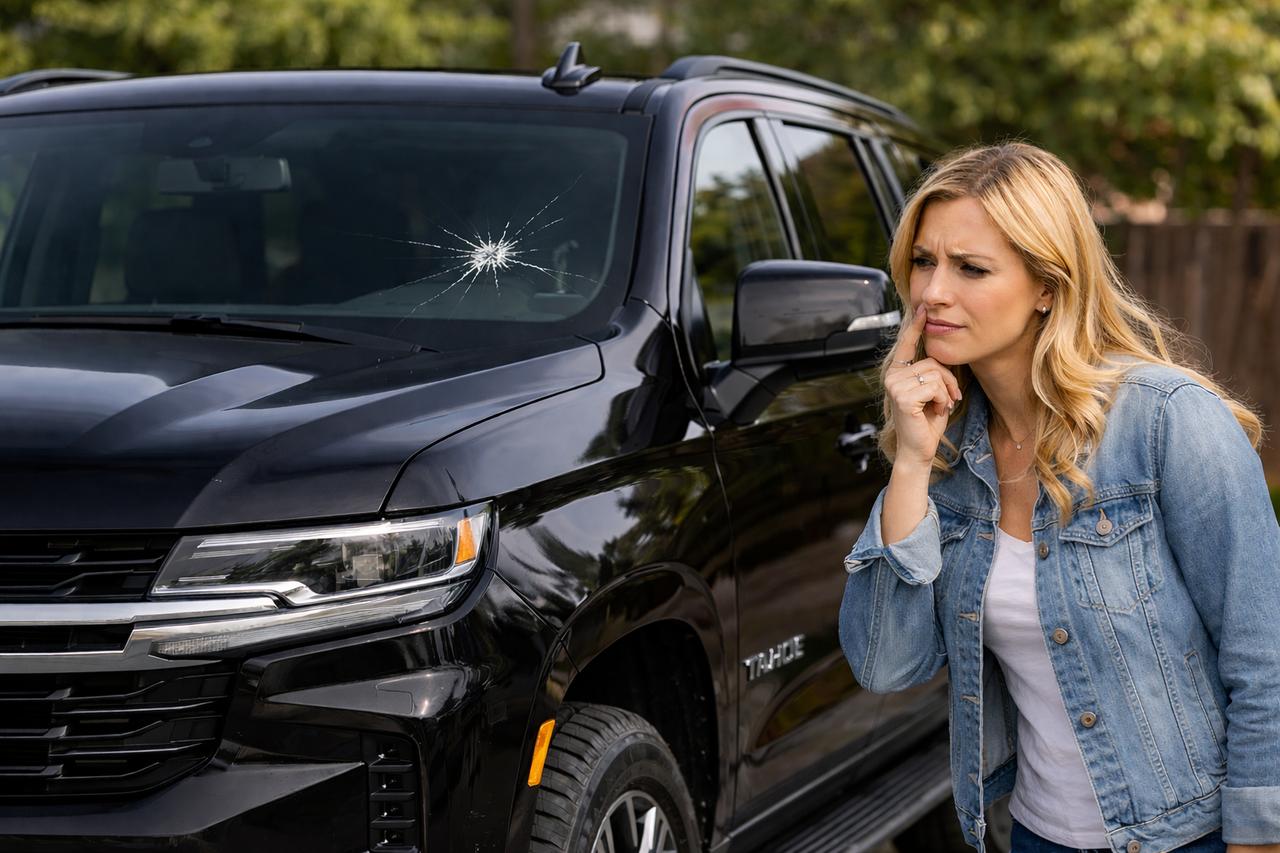
If you’re weighing sanford windshield repair versus replacement, think about three things: size and placement of the damage, how long it’s been exposed, and whether the car has sensors or cameras connected to the glass. A simple rock chip repair sanford shops perform takes 20 to 30 minutes and often costs less than a restaurant tab. A cracked windshield sanford drivers ignore for a week in summer heat usually makes the replacement decision for them.
Insurance, Florida’s zero deductible benefit, and your options
Florida’s insurance rules have shifted over the years, yet windshield coverage remains comparatively friendly to the consumer. Many comprehensive policies allow windshield replacement at low or zero out-of-pocket cost. Don’t assume though. Call your carrier or read your policy. Some plans fully cover sanford windshield replacement when damage obstructs view or the glass affects ADAS performance, while others may push for repair first.
Local shops deal with carriers every day and tend to process claims quickly. The good ones make a three-way call, confirm coverage, and schedule you immediately. Beware of high-pressure setups that promise gift cards or cash in exchange for a claim. That marketing pitch sometimes rides close to the line and can invite claim disputes. A reputable auto glass Sanford provider will focus on accurate documentation: photos, VIN, part numbers, sensor list, and a clear note on why repair or replacement is appropriate.
Repair versus replacement: the technical reality
Sanford windshield repair uses suction and resin injection to fill a chip or bullseye, followed by UV curing. When done right and done early, it stops spreading and returns most of the clarity. I keep a small card with a 1-inch circle and place it over damage to gauge size. Cracks longer than a credit card usually push you toward replacement. Anything in the driver’s direct line of sight is also a judgment call, since the cured resin’s refractive index never perfectly matches the glass. On bright days you might see a slight blur. I’ve seen motorists pass state inspections after a repair but still choose replacement later because glare bothered them.
Sanford auto glass replacement is a different animal entirely. Removing a windshield without damaging paint around the frame takes skill. That painted lip is the barrier against rust, and rust is the hidden time bomb that causes future leaks and wind noise. After removal, a careful technician cleans the pinch weld, treats any light corrosion, lays a fresh bead of urethane with the right height profile, sets the glass in one motion, and loads it evenly so the bead compresses correctly. Modern urethanes give a safe drive-away time as low as 30 minutes, but windshields with cameras or rain sensors may require a longer window if the vehicle needs calibration on a rig afterward.
ADAS cameras, radar, and why calibration is nonnegotiable
Cars that tie cameras to the windshield introduce a serious layer of complexity. Adaptive cruise, lane keeping, and automatic emergency braking rely on a camera bracket bonded to the glass. Replace the glass and you shift the camera’s position. Even a millimeter matters at highway speed. If your car uses forward-facing camera systems, sanford mobile windshield repair might still be possible, but you’ll need a provider equipped to calibrate. Static calibration uses a target board and exact distances, while dynamic calibration requires a road drive with a scan tool connected. Some vehicles need both.
If a shop says calibration “isn’t necessary” or that warning lights will reset on their own, keep walking. In practice, post-replacement calibration is the only way to confirm your safety systems are reliable. Shops in the Sanford area that invest in calibration gear often partner with dealers or maintain their own targets for major brands. Ask direct questions: Do you calibrate in-house? What equipment do you use? Will you provide a calibration report? A printout or digital file with pass/fail results is a good sign.
Mobile service in Sanford: when it helps, when it doesn’t
Mobile auto glass Sanford service offers convenience if your schedule is packed or the car shouldn’t be driven. Good weather, a clean working space, and a level surface are essential. I’ve watched techs do great work in a driveway, using pop-up canopies to block sudden rain. That said, mobile isn’t perfect for every scenario. Severe rust, prior butyl installations on older trucks, or cars with complex ADAS stacks do better at a shop with a lift, proper lighting, and calibration targets.
A smart compromise is a two-step plan. The sanford mobile windshield repair team can meet you, complete the install, then you stop by the shop same day for calibration. Or they bring a portable calibration kit if your specific car allows it. Mobile is especially practical for sanford car window replacement on doors and back glass, where ADAS isn’t a factor and park-at-home convenience saves time. Tempered side windows tend to shatter entirely, scattering pieces into the door cavity. A mobile tech can vacuum the glass, replace the window, and re-align tracks right in your driveway.
Glass quality, parts sourcing, and the OEM question
There’s a persistent belief that OEM glass is always better. Sometimes it is. Sometimes it’s the same glass from the same factory with a different logo. The reality is more nuanced. Original equipment manufacturer glass generally matches shade band tint and bracket placement perfectly. On some vehicles, the camera bracket is integral to the glass and must be OEM. On others, high-grade aftermarket options work flawlessly and save you money. The difference shows up in acoustic performance, clarity, and the ceramic frit band’s alignment at the edges.
Tell your shop what matters most. If you care about keeping factory branding or you’re sensitive to cabin noise on I-4, mention it. A good sanford auto glass replacement provider will show you part numbers and, if possible, sample the glass with a meter for tint and thickness. For luxury models with HUD or infrared-reflective coatings, OEM is often the safest choice. For mainstream sedans and SUVs, top-tier aftermarket glass frequently provides identical performance. The key is to avoid bargain-bin panels with poor optical quality that can create subtle distortions.
Installation technique separates great from average
I’ve watched a tech take an extra 15 minutes to dry-fit garnish moldings and hood the urethane nozzle to match the OE bead profile. That windshield never whistled. I’ve also seen a rushed job leave a quarter-inch gap under the cowl, which became a water leak two storms later. Ask about the urethane brand and drive-away time. High-modulus, non-conductive urethane is typical for vehicles with sensitive electronics. Proper primer on both glass and body, within the manufacturer’s open-time window, prevents adhesion failures.
Little details matter. The shop should transfer VIN labels if required, seat rain sensor gels without bubbles, and replace any one-time-use clips for the A-pillar trims. They should road-test the vehicle for squeaks or camera faults after the job. When you pick up the car, look at the ceramic band around the edge through the exterior. It should be even. Check that wipers park correctly and the cowl sits flush with both corners. Nothing ruins a fresh install like a misaligned plastic cowl that funnels water directly onto the cabin filter.
Local realities: Sanford weather, roads, and what they do to glass
Sanford lives in the triangle of heat, humidity, and road grit. Afternoon storms drop temperatures abruptly, making hot glass contract quickly. That thermal shock stresses existing chips. Sand and loose limestone from construction zones on 417, 429 expansions, or local resurfacing projects means more hits from tiny projectiles. Early-morning dew, then noon sun, forces moisture into chips where resin won’t bond as well later. If you can, tape a tiny piece of clear packing tape over a fresh chip before driving Sanford Auto Glass to a shop. It keeps moisture and dirt out and improves repair clarity.
Seasonally, hurricane threats bring debris and falling branches. Park under cover when storms stack up. If your vehicle sits under live oaks, check seals for leaf litter buildup along the cowl and sunroof drains. A perfect windshield installation can still leak if drains clog and water backs up. I’ve traced mysterious damp carpets to a leaf dam three feet away from the freshly installed glass.
Window regulators, door glass, and the invisible half of the job
Side glass breaks fast and loud. The aftermath hides in the door, including slivers that scratch the new panel if they stay behind. An experienced sanford auto glass repair tech pulls the door card, vacuums the cavity, and inspects the regulator and guides. Some cars, especially older ones, suffer from worn felt tracks that grab the glass and cause rattles. Ask for an inspection. A small added part now is cheaper than a return visit when the glass tilts.
Back glass replacement brings defroster grids and antennas into play. Those embedded lines are fragile. A hurried scrape during cleanup can cut them. A careful shop masks areas while removing old urethane and tests defrost circuits before handing back the keys. If your vehicle uses a roof-mounted shark fin for radio and a rear glass antenna for diversity, check reception after the job to be sure both are functioning.
Red flags when choosing a shop
A shop’s website can say all the right things, yet the on-site experience tells the truth. A clean, organized workspace correlates strongly with fewer comebacks. So does a service writer who can explain, in plain language, the steps they’ll take for your specific vehicle.
Here are quick checkpoints that help separate the good from the risky without getting in the way:
- They verify VIN, sensor list, and glass options before quoting, and they explain why a specific glass version fits your car.
- They discuss ADAS calibration for vehicles with cameras, and they offer documentation after the calibration is done.
- They use name-brand urethane and primers and share safe drive-away times, not just “you’re good to go.”
- They give a warranty that covers leaks, stress cracks from installation, and workmanship for a realistic period.
- They are comfortable working with or without insurance steering and don’t push questionable incentives to file a claim.
Keep this brief list handy. Ten minutes of conversation using these points will tell you more than a page of online reviews.
Pricing, honest ranges, and where the money goes
Prices move with part availability, glass type, and calibration. In Sanford and the greater Orlando market, you might see rock chip repair sanford services advertised anywhere from 60 to 120 dollars for the first chip, with a small add-on for additional chips. Non-ADAS windshield replacement on a common sedan can range from 250 to 500 dollars with quality aftermarket glass. OEM panels step that up to 400 to 900 dollars depending on brand. Add calibration, and you might see an extra 150 to 350 dollars, sometimes more for luxury models that need both static and dynamic procedures.
If someone quotes far below these bands, ask why. Cheaper urethane? No calibration? Reused one-time clips? You don’t need the top of the market to get a good job, but you do need transparency. If the shop can break down the quote into glass, moldings, labor, and calibration, you’re likely in good hands.
When mobile makes the most sense, by scenario
I often recommend mobile auto glass Sanford service when the vehicle is drivable, damage isn’t in the immediate line of sight, and no ADAS calibration is needed. A lunchtime repair at your workplace for a small chip makes sense. A side window shattered overnight in your apartment lot is perfect for mobile. A cracked windshield sanford commuters must replace on a camera-equipped SUV is a hybrid case: mobile install, then a same-day stop at the shop for calibration. Time-wise, that still beats two full days without a vehicle.
Parking conditions matter. Let the tech know about garage height limits, security gate access, and whether there’s a flat, shaded area. Avoid scheduling right before a thunderstorm window. Urethane is forgiving but still prefers dry conditions and stable temperatures during the cure period.
Real-world examples from Sanford drivers
A local contractor who spends most days on 46 called about a bullseye that looked harmless. He kept driving through a week of rain and heat, then watched it crawl six inches one afternoon sitting in traffic. That change pushed him from repair to replacement, and because his truck had a basic sensorless windshield, he was back on the road the same morning with a proper cure time. If he had covered the chip early and scheduled a 30-minute stop, he would have saved a couple hundred bucks.
Another case involved a late-model SUV with lane-keep assist. The owner opted for a shop that skipped calibration to save time. Two days later the car’s dash lit up with errors during a trip on I-4. The dealer performed a calibration and found the camera offset enough to misread lanes. No crash happened, but it’s the wrong kind of test. She now insists on a calibration report every time work touches the windshield.
On the quieter side, a parent in the Sanford area had a rear quarter window broken by a stray baseball in a neighborhood game. The mobile team swapped the glass, vacuumed the third-row area thoroughly, and replaced three small clips that hold interior trim. Fifteen minutes of extra care prevented panel buzzes on rough roads, a detail that earns loyalty more than any discount.
Managing time and expectations so the job goes smoothly
Most repairables fit into a half-hour slot. A typical sanford windshield replacement with no ADAS is a one to two hour job, including cure time. If calibration is required, plan for an extra hour, sometimes two if a dynamic calibration needs road conditions that are safe and meet the tool’s criteria. Morning appointments reduce delays from afternoon storms. If you need to drive soon after, ask about high-viscosity urethanes with faster safe drive-away times. Keep a soft rule to avoid car washes and high-pressure sprayers for 24 to 48 hours. Tape on the exterior moldings looks odd but protects alignment during the first cure hours. You can remove it the next day.
Bring small things to the counter that speed the process: your VIN, insurance card if you’re filing, and a quick note on factory options like rain sensors or heated wiper parks. If you’ve had previous glass work, mention it. Prior adhesive types and hidden rust change the plan.
How to read reviews and use them wisely
Star ratings help, but the text tells the real story. Look for comments about leak fixes, wind noise, calibration success, and how the shop handled a comeback. Every shop has comebacks. What you want is evidence they own the problem and solve it promptly. Scan for details about specific vehicles similar to yours. If multiple drivers of the same model mention a perfect ADAS calibration or moldings that sit flush, that’s a pattern you can trust.
I put more weight on recent reviews, since staff and processes change. A shop that learned from last year’s mistakes is stronger than one resting on five-year-old praise. Photos of clean beads, straight cowl panels, and printed calibration reports are good signs of a process-minded operation.
Why a local Sanford specialist is worth it
A shop that sees the same mix of Sanford and Seminole County vehicles, in the same weather, with the same road wear, becomes fluent in local quirks. They know which aftermarket glass fits a Camry without introducing a faint double image at night, which Ford trucks need a particular primer to avoid squeaks, and which European models refuse to calibrate on hot days unless the bay is cooled below a threshold. They also know local insurers and how to keep a claim moving.
Local doesn’t mean more expensive. It means accountable. If a wind noise shows up at 60 mph, you can drive back and stand with the tech for a five-minute road test. That in-person loop is how small adjustments get made, and it’s how good shops build a reputation one quiet windshield at a time.
A short checklist before you book
To keep this practical, here’s a quick pre-call checklist that covers the essentials and helps you choose well:
- Confirm whether repair is possible. If the chip is smaller than a quarter and not in your direct line of sight, ask for repair first.
- Ask about ADAS. If your car has a camera near the rearview mirror, plan for calibration and request a documented report.
- Discuss glass options. OEM versus top-tier aftermarket, especially for vehicles with HUD or acoustic needs.
- Clarify warranties. Workmanship, leaks, and stress cracks from installation should be covered in writing.
- Nail down logistics. Mobile auto glass Sanford availability, weather plan, cure time, and whether clips or moldings are included.
Use this list to focus the conversation, not to interrogate the service writer. The right shop will walk you through these points naturally.
Final thoughts for Sanford drivers
Choosing a trusted local shop for sanford auto glass repair, sanford windshield repair, or full sanford auto glass replacement is about competence more than slogans. Technical skill, respect for calibration, and an eye for details like urethane chemistry and clip integrity determine whether your car feels factory-fresh or patched. If you need sanford car window replacement after a break-in, pick a team that cleans the door cavity thoroughly and checks the regulator. If you’re balancing convenience, sanford mobile windshield repair solves a lot of problems in a single visit, provided weather and calibration needs line up.
When a rock chip happens, protect it with tape and call quickly. Small, early repairs save money and keep you out of the replacement lane. When replacement is unavoidable, insist on process and proof, not just price. With the right partner in Sanford, you’ll get clear glass, quiet cabins, and safety systems that see the road exactly as they should.
Leave a Reply