Rear and side glass repairs sit in a different category from windshields. Technicians treat them differently, parts arrive in different forms, and the risks on the road are not the same. If you live or work in Sanford, you already know how the mix of I‑4 traffic, neighborhood construction, and coastal weather can challenge a car’s glass. I’ve replaced hundreds of back windows and door glasses across Seminole County and nearby corridors, and the most consistent takeaway is simple: a clean, tight install matters more than any brand label on the box.
This guide walks through what’s unique about rear and side glass, what to expect from a professional service call, how mobile service in Sanford typically plays out, and when it’s worth repairing versus replacing. Along the way, I’ll flag the choices that save money without creating new problems, and I’ll highlight specific issues I see in the Sanford market.
How rear and side glass differ from windshields
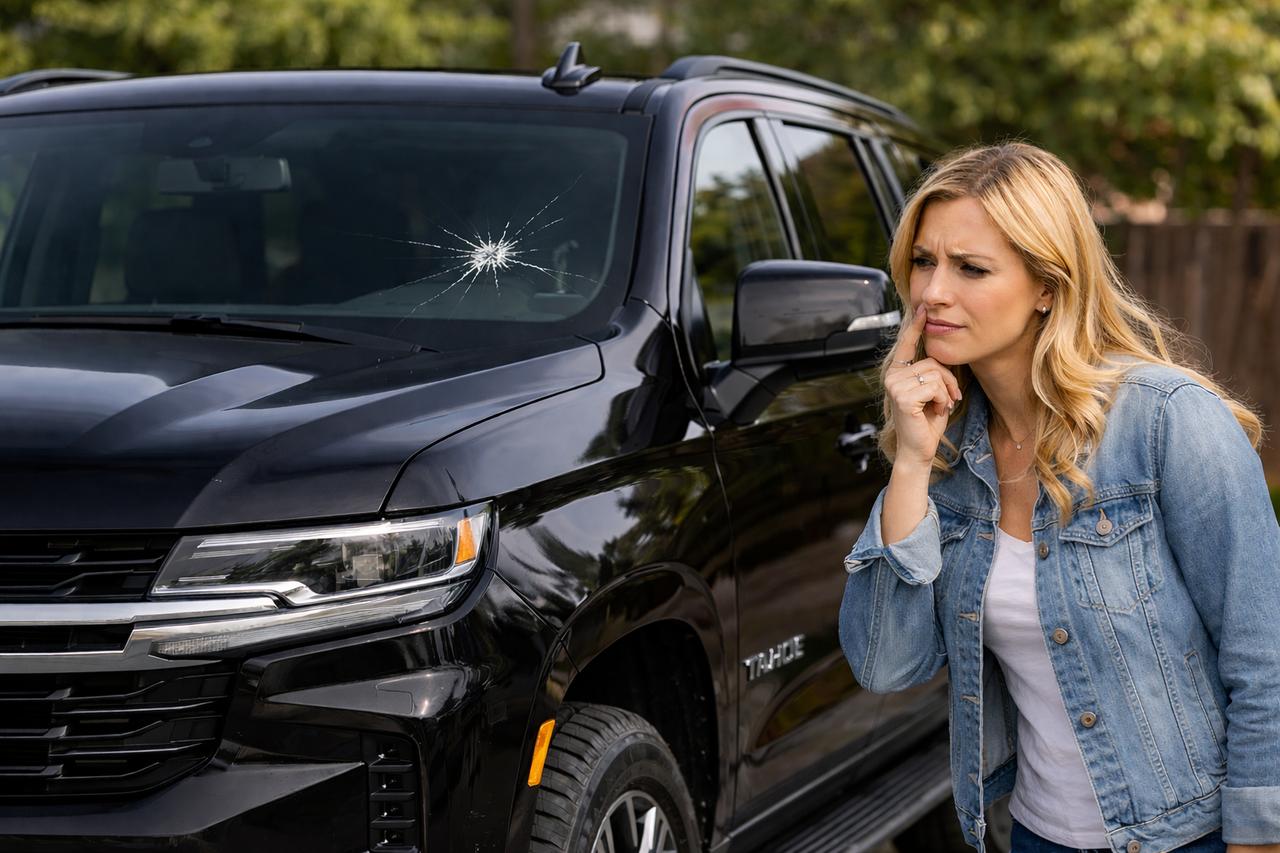
Windshields are laminated. Two glass layers sandwich a plastic interlayer, which holds the sheet together during an impact. That’s why a cracked windshield often stays intact and why sanford windshield repair is sometimes possible with resin if the damage is small and outside the driver’s primary view.
Rear and door glass use tempered safety glass. The glass is heat treated so it shatters into small, pebble-like pieces when broken. It resists bending, but once it fractures, it collapses. That behavior is good for occupant safety and egress, not so good for the mess on your rear deck or inside the door cavity. It also means side and rear glass can’t be repaired with resin in the way windshields can. A cracked side window or backlight almost always needs replacement.
Because of those fundamentals:
- Rear and side glass replacements are typically faster than windshield replacements, but cleanup and reset of electrical components can add time.
- You rarely have to wait for adhesives to cure on door glass, but rear windows that bond to the body with urethane do require cure time, similar to a windshield.
- The “repair vs replace” options are narrower for tempered glass, which shapes the cost and scheduling decisions.
Common damage patterns in Sanford
Two causes stand out here: road debris and break-ins. I see rock hits on rear quarters from dump trucks headed to and from building sites along 17‑92. I also see smash-and-grabs in shopping areas, especially when bags or backpacks are visible. Storm debris adds a third pattern. During summer gust fronts or a fall nor’easter, tree limbs become projectiles. It’s not unusual to replace a rear hatch on an SUV after an overnight squall.
Another Sanford-specific point: sun and heat cook the rubber channels in older door frames. When the felt and rubber degrade, the glass can bind or rattle, which stresses the regulator. The next time someone tries to close the window in a hurry, something gives. If a side window doesn’t glide cleanly, don’t force it. Address the track and regulator before you end up with a crooked pane that pops.
What differs between rear glass and side glass replacements
Rear windows, often called backlights, split into two categories. Some models use a full glass bonded to the body with urethane. Others rely on a modular part that includes the defroster grid and sometimes antenna elements preinstalled, with clips or brackets that mate to the hatch frame. SUVs and crossovers often add a wiper pass-through and spoiler trim that must be removed and reinstalled correctly.
Side glass, by contrast, mounts inside the door on a regulator with bolts, clamps, or sliders. The glass rides in felt tracks and seals against outer and inner belt moldings. Rear door glass sometimes includes a fixed quarter window, which may be bonded and requires a different removal process.
Those differences drive labor steps, adhesives, and parts availability. You might get a same-day sanford car window replacement for a common sedan side glass, while a rear hatch with a wiper and aftermarket tint could be a next-day job, simply to get the right glass with the exact defroster and antenna pattern.
The role of defrosters, antennas, and sensors
On most modern vehicles, the rear window does more than keep the rain out. The defroster grid is printed onto the glass. If you buy an aftermarket backlight, confirm the grid rating and connector style match your harness. A mismatched connector can add an hour of adaptation work, and in some cases, it will never feel factory-tight. Some models embed FM or GPS antennas in the grid. Those require glass that matches your option code. If you drive a trim with a rare audio package, set expectations for a special-order part.
Side glass rarely carries electronics, but framed mirrors with blind-spot indicators and door modules sit near the work area. A careful technician disconnects the battery if there’s any risk of shorting, especially if the door panel’s airbag connector sits in line with the work.
Choosing OEM, OEE, or aftermarket glass
I evaluate glass by fit, optical quality, grid function, and hardware compatibility. OEM means the automaker’s brand, often manufactured by a supplier like Saint-Gobain, Pilkington, or AGC. OEE, or Original Equipment Equivalent, usually comes from those same suppliers without the automaker logo. Aftermarket spans a wider range, from well-made to not worth the discount.
For rear and side glass, the optical requirements are lower than a windshield. Fit and hardware matter more. On late-model vehicles with complex trim and spoiler geometry, I lean OEM or OEE. On older sedans, quality aftermarket can be acceptable. If your vehicle carries advanced antennas in the rear glass, stick with OEM or a confirmed-matching OEE.
When mobile service makes sense in Sanford
mobile auto glass sanford is a practical option for side window replacements and many backlights. The technician can come to your driveway, office lot, or garage. Expect a two to four hour window, accounting for traffic along SR‑417 and I‑4. Two caveats apply. First, wind and rain can compromise urethane bonding on backlights. Second, glass shards are easier to manage on a flat, clean surface. If you have a covered workspace, you’ll get a better outcome.
For urethane-bonded rear glass, verify safe drive-away time. High-modulus urethanes vary. In warm, humid Sanford weather, many cure to a safe strength in one to four hours, but that assumes proper bead size and temperature. A shop that advertises sanford mobile windshield repair often uses the same adhesives for backlights. Ask them to specify the adhesive brand and safe drive-away estimate.
Insurance, cost, and scheduling realities
In Florida, insurance often covers windshield replacement with no deductible. That perk doesn’t automatically extend to side or rear glass. Policies vary. If you carry comprehensive coverage, rear and door glass are usually covered but may have a deductible. Before you schedule sanford auto glass replacement, call your carrier with your VIN and ask what’s covered and whether you can choose the shop.
Cost ranges depend on the vehicle. A common sedan door glass might run 180 to 350 dollars for the part and labor combined. A rear hatch with a defroster, wiper aperture, and spoiler trim can run 350 to 650 dollars. Luxury and rare trims climb beyond that, especially if the part is dealer-only. Aftermarket tint adds time and cost if you plan to reapply. If your tint was attached to the broken glass, you’ll need to re-tint the new piece separately.
Scheduling in Sanford tends to be flexible for weekday morning slots. Afternoon thunderstorms complicate mobile installs, especially for urethane-bonded backlights. If rain is in the forecast, consider a morning appointment or a shop visit. For quicker turnaround, some customers choose in-shop service near Lake Mary Boulevard or the 46 corridor to avoid weather delays that derail mobile appointments.
What a professional side window replacement looks like
A veteran technician starts with protection. Door cards and seats get covers. Remaining shards in the door cavity get vacuumed, and the window run channels are cleared. On frameless glass, alignment matters even more, since the glass must meet the roof seal without wind whistle. For framed doors, the regulator and track should move smoothly. If a regulator is bent or the cable frayed, replace it during the same visit.
Once the glass sits in the clamps or bolts, the technician cycles the window up and down to confirm the seal. The belt moldings and weatherstrips are reinstalled, then a water test checks for leaks. If you hear a rattle when shutting the door, the glass may be loose in the clamp or a door clip Sanford Auto Glass wasn’t seated. A quick readjustment fixes that, but it’s best done before you drive off.
What a professional rear glass replacement looks like
Backlights that are urethane-bonded require body prep. The old glass is cut out with wire or a cold knife. The pinchweld is trimmed to a thin layer of cured urethane, not stripped to bare metal unless corrosion is present. Primer goes on fresh scratches and on the mating edge of the new glass if the adhesive requires it. The bead is applied in a continuous, uniform height. Missed corners create wind leaks and water intrusion later.
The new glass seats on locator pins or blocks, then is pressed evenly until the bead compresses. Wiring for the defroster and antennas is reconnected, and any garnish molding, wiper hardware, or spoiler trim is fitted. A final leak test and defroster test follow. Expect a cure window. Your installer should mark the time, temperature, and adhesive used on your invoice. It’s not just a formality. Drive too soon, and a sudden body flex can compromise the bead.
Rock chips and cracked windshields versus broken side glass
People often call about rock chip repair sanford after a pebble kicks up on 46A, and that makes sense for a windshield. For side and rear glass, the story ends quickly. A small star on tempered glass usually spreads within minutes or hours because of the stress profile created during tempering. Unlike a cracked windshield sanford situation where a quarter-size chip can be stabilized, a cracked side or back window is a replacement call.
This difference can shape your plan after a hit. If a windshield chip appears, tape over it, avoid pressure washers, and schedule sanford windshield repair within a day or two. If a side window cracks, park in a safe spot, cover the opening with painter’s tape and a plastic sheet, and call for sanford car window replacement. Don’t slam doors on a cracked tempered pane. The pressure spike can detonate it.
The realities of cleanup
Glass shards travel. On a rear blowout, chunks fall into the trunk or cargo well, down into quarter panel cavities, and up into the headliner lip. In a door, they settle in the bottom, around the speaker, and in the window track. A thorough cleanup uses both a vacuum and a magnet sweep for metallic debris from break-ins, then a second pass after cycling the window or closing the hatch to shake loose trapped particles. It’s not unusual to hear a few stray pieces during the first day of driving. A brief, careful re-vacuum can eliminate the last of it.
For cloth seats, a strip of duct tape from the back of your knuckles can lift glitter-like fragments that vacuums miss. Avoid dragging tape over leather or vinyl. If you have young children or pets, take one extra pass along the carpet edges and under the rear seats. The smaller “sugar” pieces are the ones that find bare feet.
DIY, yes or no
Door glass is one of the more approachable DIY jobs for a mechanically inclined owner with the right tools and patience. You can remove the panel, clean the cavity, and install the new glass with basic tools. Aligning the tracks and getting the clamps torqued without over-tightening is the fine point. Snap a clamp or misalign the track, and you’ll be buying a regulator.
Rear glass, especially bonded backlights, is not DIY-friendly. Without the right urethane, primers, and setting tools, you risk leaks, rattles, or worse, a glass panel that ejects under load. If your vehicle carries airbags near the quarter trim, you also risk tripping fault codes during disassembly. For a backlight, hire the pro.
Working with sanford auto glass repair shops
The best shops in the area do the basics flawlessly. They verify your VIN and options, order the correct glass and trim clips, and show up with new door panel retainers because the old ones often break on removal. If you’re booking sanford auto glass replacement for a backlight, ask whether they stock the specific urethane recommended for your vehicle. German and some Japanese models benefit from high-modulus adhesives to match factory rigidity.
Shops that offer sanford mobile windshield repair generally have the logistics to handle side windows on the road as well. For backlights, ask where they prefer to work if rain is likely. If a shop insists on installing a urethane-bonded rear glass outdoors in a thunderstorm, choose another shop.
Tinted windows, rain guards, and other accessories
Aftermarket tint on a broken window doesn’t transfer. Factor a re-tint into your schedule. If you have ceramic tint, let your tint shop coordinate timing with the glass installer. Most tint films need 24 to 48 hours of dry time without rolling the window down, which dovetails with the period you’d want to avoid door stress anyway.
Rain guards and low-profile deflectors attach with clips or adhesive at the beltline. These can complicate panel removal on some models. If you installed them yourself, keep the extra clips handy. If a clip breaks, it’s better to replace it than to live with a loose guard that whistles.
Calibrations and ADAS concerns
Rear and side glass replacements rarely trigger ADAS calibrations, but expect exceptions. Some SUVs integrate a rear camera washer line and wiring in the hatch trim that must be removed. If a technician disconnects rear radar or camera harnesses, clear any codes and confirm function. The big calibration driver is the windshield, not the rear or side glass. When you schedule sanford windshield replacement on a car with lane-keep or forward collision assist, plan for a calibration. It typically happens at the shop with targets, not in your driveway.
Practical steps after a break
If your vehicle is exposed after a break-in or a storm, take a few measured steps to avoid compounding the problem.
- Photograph the damage and interior for insurance, then clean only the areas you need to use so investigators or adjusters can see the state of the vehicle if required.
- Use painter’s tape and a heavy contractor bag to weatherproof. Tape only on paint-safe surfaces. Avoid duct tape on clear coat or tint.
- Check for water in the spare tire well or under trunk liners, then dry it to prevent mildew. A small fan for a couple of hours helps.
- Retrieve any glass from child seats, pet mats, and door pockets. Pay attention to cup holders, which collect shards in a way you do not see until you reach in.
- Book the earliest feasible appointment, ask about mobile auto glass sanford options, and clarify whether they bring panel clips, regulator hardware, and trim seals.
That sequence keeps your car drivable and your interior safe while you wait for parts.
How Florida’s climate affects adhesives and seals
Heat and humidity speed up some chemistries and sabotage others. Urethane benefits from moisture in the air for curing. That’s good news in Sanford for bead progression, but it also means surface prep must be meticulous. Oils, pollen, and residue from previous adhesives can cause adhesion failure. A clean pinchweld, correct primer, and the right working window make all the difference. On the rubber side, UV exposure hardens outer belt moldings. Replacing brittle or cracked belt moldings during a side glass job may add a modest cost but prevents wind noise and water intrusion later.
Customer mistakes that lead to second visits
Several patterns repeat. Owners roll door windows down too soon after tinting or after a side glass install before the track adhesive sets. They slam doors with a plastic covering in place, sending a pressure wave that blows residual shards throughout the cabin. They drive away immediately after a backlight install because it looks done, not realizing the bead needs time to set. The fix is easy: ask your technician for their hour-by-hour guidance and follow it. When in doubt, give it extra time and treat the door gently.
Another mistake is assuming a regulator that worked before a break will automatically work after. If the glass was forced down during a theft, the regulator cable may have been overstressed. A technician can spot frayed cables or a motor bracket that has twisted. If they recommend replacement while the panel is off, it is usually cheaper to do it then than to pay a second labor charge two weeks later.
Why fast response helps more with side glass than with windshields
A cracked windshield sanford scenario allows some breathing room. You can often schedule sanford windshield replacement or sanford windshield repair within a few days without risking interior damage. With a shattered side window or backlight, rain and security become immediate issues. Moisture wicks into seat foam and carpet backing quickly in Florida humidity. Mildew blooms in 24 to 48 hours. I have pulled up carpets that smelled like a boat bilge after a single storm. If a shop can’t get to you same day for sanford auto glass repair, ask whether they can at least board up and vacuum the opening, then return with the correct part.
Working around part shortages
From time to time, a specific rear glass goes on backorder. SUVs with unusual spoiler trims or limited trims can take a week or two to source. If the vehicle must stay outside, use a temporary Lexan or polycarbonate panel secured with clips or painter’s tape to prevent water intrusion. It’s a stopgap. Don’t rely on it at highway speeds, and do not block the defroster function once the correct glass arrives. If your schedule allows, leaving the vehicle at a secure shop with indoor storage protects the interior and accelerates the install once the part lands.
Finding quality in a crowded market
Search terms like auto glass sanford or sanford auto glass replacement bring up a long list. Filter by specifics:
- Ask whether they stock door panel clips and belt moldings for your make. A yes indicates attention to detail.
- Confirm they test rear defrosters before and after install. That prevents a cold surprise in January.
- Request the adhesive brand and safe drive-away time in writing for backlights. Professionals are comfortable sharing it.
- Verify cleanup practices. Look for a two-pass vacuum with the window cycled, not a quick shop-vac at the sill.
- Check whether they handle insurance billing directly. It saves you time if comprehensive coverage is in play.
None of those questions are adversarial. They signal that you value a clean, durable job, which good shops appreciate.
Where rock chip repair lands in the broader picture
rock chip repair sanford sits mostly in the windshield lane. It reduces the need for a full replacement, preserves the factory seal, and keeps ADAS calibration simple. Even if your current issue is a side or rear glass replacement, it’s worth asking the shop to inspect your windshield while they’re on-site. The same service call can often address a chip before Florida heat turns it into a crawling crack across the driver’s view. Efficient logistics help both sides, and most shops are happy to combine services.
A short case from the field
A Sanford client with a mid-size SUV called after an overnight storm. The rear hatch window had spidered and dropped into the cargo area. The defroster harness tore, and the spoiler hid two mounting clips. We arrived mid-morning under clear skies, vac’d the cargo well, and found pine straw packed behind the hatch trim. The part, an OEE backlight with integrated grid, was in Orlando and arrived after lunch. We prepped the pinchweld, primed the scratches, laid a uniform bead, set the glass, and reconnected the wiper pass-through. The adhesive’s safe drive-away time was three hours at the ambient 88 degrees and high humidity. The owner worked from home, so waiting was easy. A defroster test and hose test passed. Two weeks later, he returned for a quick vacuum because a few stray shards had migrated from a pocket behind the quarter trim. Five minutes, no charge. That’s how a straightforward job should feel: clean, predictable, and durable.
Final guidance worth keeping
Rear and side glass don’t forgive sloppy work. Fit and cleanup carry as much weight as the brand of glass. If you need sanford auto glass repair for a backlight or door glass, choose a shop that respects the basics, uses the right adhesives, and does not rush the cure. If you prefer mobile service, line up a covered space and a morning slot when the weather favors adhesives. Keep your insurance card handy, and confirm coverage for tempered windows, not just the windshield. Build in time for tint if you need it redone.
When the next rock ping or storm gust hits, know the differences. Windshield chips can be stabilized quickly through sanford windshield repair. Side and rear failures mean replacement. With the right steps, neither has to disrupt your week. The goal is a tight seal, a quiet cabin, and a clean interior, so the only reminder of the incident is the line item on your invoice, not a rattle or a whistle at 45 miles per hour.
Leave a Reply