For most drivers around Sanford, a windshield problem doesn’t show up on a quiet weekend when you have time to spare. It happens on the way to a meeting, after a construction truck scatters gravel on 417, or when a stray acorn finds the perfect angle in your driveway. The difference between a small, inexpensive fix and a full-blown replacement often comes down to how quickly and wisely you act. This guide draws on hard lessons from shop floors and mobile service vans across Seminole County to help you make fast, informed decisions without sacrificing safety or quality.
When a chip is just a chip, and when it’s a problem
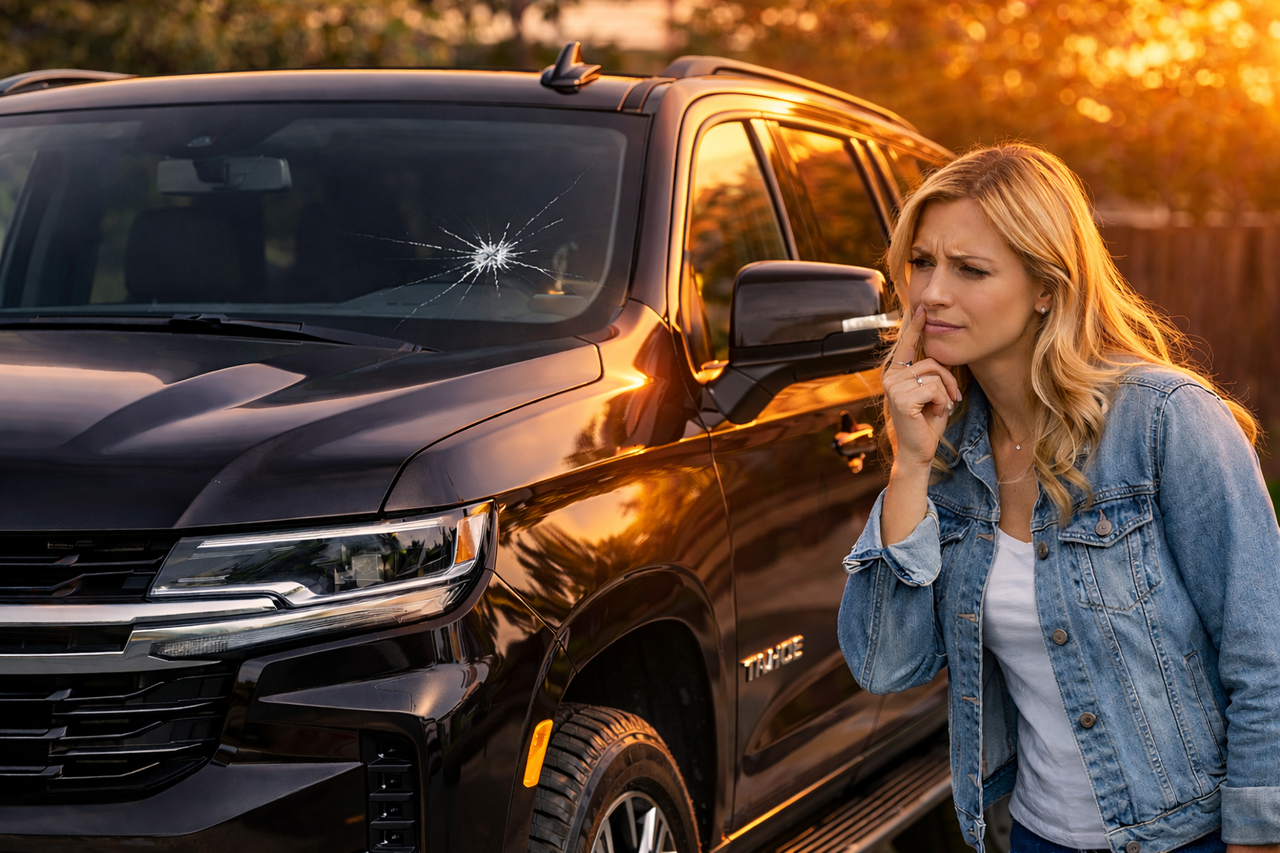
Not every crack means you need a new windshield. What matters most is size, location, and whether the damage is spreading. A rock chip the size of a dime with a tight center can often be sealed in under half an hour, then cured with UV. The resin stabilizes the glass so it doesn’t spider across your field of view on the next hot afternoon. If the damage is near the edge of the glass or creeping toward the driver’s line of sight, the calculus changes. Edge cracks tend to propagate under Florida’s heat cycles, and pits or stars in your primary viewing area may still be visible after repair, which can compromise visibility during rain or at night.
I’ve seen plenty of drivers in Sanford gamble on a quarter-size bull’s-eye through the summer, only to watch it bloom after an afternoon parked at Fort Mellon Park. Heat causes glass to expand. Air inside a chip expands faster than the resin-free glass, and that stress turns a small blemish into a vein that moves right across the windshield. If you catch the damage early, rock chip repair in Sanford is cheap insurance. Let it go too long, and you’ll end up scheduling a Sanford windshield replacement and working around adhesive cure times.
The safety case for fixing it now
Windshields are structural. They contribute to roof strength in a rollover and act as a backboard for airbag deployment. Modern vehicles rely on the glass to be positioned within millimeters to keep advanced driver-assistance systems pointing exactly where they should. A compromised windshield doesn’t just look bad. It weakens the safety cell.
Even small chips scatter light at night and amplify glare during afternoon thunderstorms. If you drive east on SR 46 at dusk, a chip can turn every headlight into a flare, and your eyes will fatigue quickly. Busy drivers get tempted to postpone. Every postponement hands more advantage to heat, humidity, and bumpy roads.
How repair actually works, and what to expect
A proper sanford windshield repair starts with cleaning out the break. The technician uses a probe and vacuum to remove tiny glass shards, then injects resin under pressure. If you’ve never watched it, the resin creeps through the fractal lines, like ink wicking through paper. Once it fills the void, UV light hardens it quickly. After curing, the surface is leveled and polished.
Cosmetically, expect it to look 70 to 95 percent better depending on the type of break and how long it was contaminated by dirt or moisture. Structurally, a good repair arrests the crack and restores most of the original strength. If a shop promises an invisible fix on an old, dirty chip, they’re overselling.
The mobile option makes sense for busy schedules. With mobile auto glass Sanford services, a tech can complete a repair in your driveway or office lot. Most jobs take less than 30 minutes, and you can usually drive immediately after, since the resin sets fully during curing.
When replacement is the right call
Some damage is outside the safe repair envelope. Long cracks over about 6 inches, chips with crushed glass that won’t hold resin, multiple impacts clustered together, and anything intruding into the driver’s critical viewing area usually point to replacement. Edge cracks that originate within an inch or two of the outer seal are also risky, because the bond between glass and body must remain intact for airbag performance.
Sanford windshield replacement takes more planning than a chip fix. Expect the technician to remove trims and cowl panels, cut out the old windshield with a wire system, prep the pinch weld, and apply fresh urethane adhesive. Good installers test-fit the replacement glass before setting it. They also follow the adhesive manufacturer’s safe drive-away time, which in our climate is often 1 to 3 hours, sometimes more if humidity spikes or the vehicle requires a thicker bead.
Not all glass is the same. Original equipment (OE) has the automaker logo and meets the design spec that the vehicle left the factory with. OEM-equivalent aftermarket glass often comes from the same plants but without the logo, and can be an excellent value. The outliers are bargain panels with poor optical clarity or inconsistent curvature. If you’ve ever driven a car that gave you a mild headache only at certain angle sunlight, distorted glass is a likely culprit.
ADAS, calibrations, and why they matter in Sanford traffic
Many late-model vehicles integrate cameras and sensors into the windshield area. Lane-keeping, adaptive cruise, collision warnings, and even automatic high beams rely on precise alignment. Any sanford auto glass replacement that disturbs camera position or windshield curvature can shift those alignments. That’s why post-replacement calibration is no longer optional.
There are two flavors. Static calibration uses a rig and targets in a controlled environment. Dynamic calibration requires a drive at set speeds along specific road types so the system can relearn key markers. Some vehicles need both. Around Sanford, shops often run dynamic calibrations on routes with clear lane markings and consistent speeds, think stretches of 417 or 46 where traffic permits. If a provider can’t explain how they handle calibration for your make and model, keep looking.
Mobile convenience without cutting corners
Sanford mobile windshield repair and replacement save time, but only if done right. A technician should ask about your parking situation. Shade helps, since high glass temperatures can make Sanford Auto Glass urethane skin too quickly. They should lay protective covers, verify the part number before removing the old glass, and use primers where your vehicle maker specifies. I’ve seen hurried jobs skip pinch weld primer, which leads to adhesion issues down the line. You won’t spot that on day one, but months later, you might notice wind noise or a small leak during a summer downpour.
Reputable mobile teams carry moisture meters, calibrated UV lamps, and sealant logs that document cure times. They also handle cleanup with a vacuum and magnet sweep for any stray clips or shards. If your schedule is tight, ask about morning slots. They’re less likely to collide with afternoon storms that roll through Sanford and Lake Mary.
What busy drivers can do in the first hour
If a rock snaps your attention on 417 and leaves a fresh chip, a little triage goes a long way. Cover the spot with clear tape to keep out moisture and grit. Park in the shade when you can. Avoid slamming doors, which creates pressure waves inside the cabin and can grow a fresh crack. Then pick a provider and get on their schedule while the damage is still small. For cracked windshield Sanford drivers who can’t get to a shop, mobile teams usually have same or next-day capacity for repairs.
Here’s a short checklist that fits on your phone notes app:
- Cover the chip with clear tape and park out of direct sun when possible.
- Photograph the damage up close and from 2 to 3 feet away.
- Note any ADAS features like lane assist or forward camera behind the mirror.
- Call a trusted shop and ask about repair vs replacement thresholds for your vehicle.
- Ask for mobile service availability and safe drive-away time if replacement is needed.
Costs, insurance, and Florida’s repair reality
Florida insurance rules around auto glass have changed over the years, and carriers now scrutinize claims more closely. Many comprehensive policies still cover repairs with little to no out-of-pocket cost, because a quick repair prevents larger claims later. Replacement is more variable. Some policies include glass replacement with a deductible, others require you to pay unless the damage is tied to a covered incident.
If you’re paying cash, rock chip repair Sanford pricing often falls in the 75 to 150 dollar range for a single chip, with a modest surcharge for additional repairs on the same visit. Sanford auto glass replacement costs vary widely. A standard windshield without sensors may land in the 300 to 500 dollar range, while a camera-equipped, rain-sensing, acoustic-laminated panel can easily exceed 900 dollars, sometimes more than 1,500 for premium models. Calibration adds another 150 to 400 depending on whether your vehicle needs static, dynamic, or both.
Good shops in the auto glass Sanford market will quote an all-in price, including moldings, clips, recalibration, disposal fees, and mobile service. If a price seems too low, ask what it excludes. It’s common to see a base number that inflates on the day of service when the tech discovers your car requires an acoustic layer or forward camera brackets.
Glass quality, tint bands, and acoustic layers
On paper, glass is glass. In practice, manufacturing quality and spec match make a difference in how the car feels to drive. Windshields come with tint bands at the top, acoustic interlayers for cabin noise reduction, and solar coatings to keep the interior cooler. Choose the wrong variant and you might add a faint green tint you didn’t expect, or lose the quietness you paid for in the trim level.
For sanford car window replacement on doors and quarters, tempered glass shatters into beads on impact. This is a different animal from laminated windshields. Side glass has its own tint codes and sometimes antenna elements. Take a photo of your VIN and the bug (the tiny glass stamp in the corner) so your shop can decode the right part.
A quick word on regulators, gaskets, and door glass
If a thief takes out your driver’s side window at a trailhead along the St. Johns, you’re in for a different kind of repair. Replacing door glass means removing the door panel, aligning the window into the regulator, and calibrating pinch protection if you have auto-up. The difference between a quiet cabin and a whistle at highway speeds comes down to alignment. An experienced technician will test express-up, reset auto indexing on frameless windows, and ensure weatherstrips seat perfectly. A rushed job leaves rattles and wind noise you’ll notice on I-4.
Choosing the right shop in Sanford
You don’t need to become a glass expert to avoid headaches. You do need to ask a few precise questions. Look for a provider who explains the difference between repair and replacement on your specific model, confirms the ADAS calibration approach in plain language, and gives a realistic safe drive-away time. Reviews can be helpful, but pay attention to comments about leaks resolved after heavy rain, wind noise at speed, and how the team handled warranty callbacks. Any shop can get a bad piece of glass once in a while. The better ones own it and fix it fast.
Shops that invest in training and materials rarely advertise the cheapest price in town. They talk about OEM or OEM-equivalent sourcing, urethane brands with documented cure windows, and calibration equipment. In the sanford auto glass repair space, quality shows in the little details: taped body lines to protect paint, fresh gloves every time they handle the adhesive, and a final glass clean that leaves no haze in the wiper sweep.
Weather, pollen, and other Sanford specifics
Central Florida weather adds quirks to glass work. Afternoon thunderstorms in summer bring humidity spikes that can stretch adhesive cure times. Pollen season dusts every surface, and a gust will push grains under the cowl as soon as it’s open. Good techs build a clean zone around the opening and use tack cloths and compressed air to keep contaminants off the bond line. The highway mix of I-4 construction debris and beach traffic means more impact events than you’d see in quieter markets. That’s why mobile auto glass Sanford teams keep resin and UV lamps ready for same-day chip repairs.
Parking in direct sun matters too. On a triple-digit heat index day, a black dashboard can exceed 160 degrees. That heat pushes from inside out. After replacement, respect the safe drive-away times and keep the vehicle ventilated. Leave a window cracked and avoid slamming doors to prevent pressure spikes. If your tech advises a 24-hour cure before a car wash, take it seriously. High-pressure jets at a wash bay can challenge a bead that hasn’t fully cured.
What a thorough repair visit looks like
When you watch an efficient technician handle a repair, there’s a rhythm to it. They’ll inspect the damage, confirm it’s repairable, and explain the cosmetic outcome. A bridge tool gets mounted over the chip. Vacuum first, then resin injection. UV curing follows, and you can see the clarity improve. The surface is scraped level with a razor, then polished just enough to smooth the area. A careful final wipe leaves no residue that would stutter a wiper blade in the next rain.
For a replacement, a good visit includes protecting paint and trim, removing wiper arms and plastic cowls without snapping hidden clips, cutting the old adhesive with a wire system instead of prying and bending the pinch weld, and cleaning to shiny metal only where needed. They’ll dry-fit the new windshield to check gaps, apply primer and urethane with consistent bead height, and set the glass precisely. A small variance in position can misalign rain sensors or create wind noise around the A-pillar. After setting, the installer confirms camera mounts are secure, reconnects sensors, initiates calibration, and documents cure time. Final checks include a leak test with a gentle water flow, not just a quick splash.
DIY kits, reality check
Hardware stores sell repair kits, and a steady hand can improve a small chip if you catch it within hours. The limitation is vacuum strength and resin quality. Professional tools pull deeper air pockets from the break and use resins matched to the break type. If your schedule is tight and the chip is fresh, a kit might buy you time. But if the chip sits for days or you see legs reaching from the impact point, skip the experiment. Once a DIY job traps dirt under resin, a pro can’t extract it, and your only option may be replacement.
Warranty terms that actually mean something
Most shops guarantee repairs for the life of the windshield, which usually means they’ll credit the cost of the repair toward a replacement if the crack spreads. Ask for that in writing. For replacements, a solid warranty covers defects in materials and workmanship, including leaks and air noise. Read the timeline. A 12-month labor warranty is common. The good shops fix issues promptly, often the same day, because leaks don’t wait for your schedule.
If you drive for a living in the Sanford area, consider asking about fleet-style support even if you’re a single-vehicle household. Some providers offer priority mobile slots and invoice terms that reduce hassle when you’re on the road constantly.
How to keep your new glass looking new
After a fresh sanford auto glass replacement, wait the recommended time before removing retention tape along the edges. Avoid car washes for a day, and go easy on the doors to keep pressure stable. Replace wiper blades if they chatter or streak. Grit and old rubber can etch micro scratches across fresh glass in a single storm. If your windshield has a hydrophobic coating, pretreating with a quality glass sealant can improve water beading and reduce nighttime glare in heavy rain on 17-92.
The small stuff helps too. Don’t use household glass cleaners with ammonia on tinted areas or near sensor housings. Use a clean microfiber and an automotive-safe cleaner. If you park under trees near Lake Monroe, consider a sunshade. It keeps the dash cooler and lessens thermal shock that stresses small repairs.
Common questions, answered plainly
How fast can I get a repair? For rock chip repair Sanford providers often offer same-day service, especially mobile. Mornings book quickly after weekend storms, so call early.
Can I drive right after replacement? Follow the adhesive’s safe drive-away time. In Sanford’s climate, that’s typically 1 to 3 hours. If a shop says “immediately,” ask what urethane they’re using and check the datasheet.
Will my ADAS light stay on? After proper calibration, warning lights should clear. Some vehicles require a short drive for dynamic learning. If lights persist, ask for a diagnostic scan.
What if the new windshield leaks? A good shop will fix leaks promptly under warranty. Keep in mind that clogged sunroof drains can mimic windshield leaks. A careful tech will diagnose the source, not just reseal blindly.
Do I need OEM glass? Not always. High-quality aftermarket can be excellent. For vehicles with sensitive camera systems or acoustic specifications, OEM or OEM-equivalent with the right spec match is safer.
The short path to a good outcome
The formula for busy drivers is simple: act early, choose well, and insist on the steps that matter. A quick call the day you notice a chip often keeps you out of replacement territory. When you do need a new windshield, a sanford auto glass replacement done with the correct glass, adhesive, and calibration gives you back a quiet cabin, crystal optics, and full safety performance. Whether you prefer a shop visit or mobile auto glass Sanford convenience at your office, look for the cues of professionalism. It’s the difference between checking this task off your list today and chasing wind noise and warning lights for weeks.
If your schedule is packed, you can still make smart choices. Take two clear photos of the damage, note your vehicle’s ADAS features, and call a reputable sanford auto glass repair provider who offers upfront pricing, proper calibration, and a clean mobile setup. That fifteen-minute call turns a potential summer-long headache into a single, well-managed appointment.
Leave a Reply