Wind noise after a windshield replacement can make a car feel cheap and unfinished, even if the glass is brand new and the view is crystal clear. The sound shows up on the highway, right around 40 to 60 mph, as a whistle, a low howl, or a flapping rush near the A-pillars. I’ve spent years around auto glass work in Sanford and neighboring towns, and I can tell you that most wind noise problems trace back to small, fixable details. The trick is knowing what to look for, who to hire, and how to test the result before you drive away.
This guide unpacks the causes and cures of post-install wind noise, the standards a careful installer follows, and the steps you can take before, during, and after your Sanford windshield replacement to keep your cabin quiet. I’ll also cover special situations like calibrated ADAS cameras, mobile installs in Florida humidity, and what happens when a “cracked windshield Sanford” repair turns into a full replacement.
Why wind noise happens in the first place
Wind noise is airflow sneaking past an imperfect seal and vibrating something it shouldn’t. On a modern vehicle, the windshield is bonded to the body with urethane. That bond does more than hold glass in place. It supports roof strength, ties into airbag timing, and forms part of the acoustic envelope. When the bond line is uneven, the glass is misaligned by a few millimeters, or the trim isn’t seated flat, air finds a path. The speed of the car and the shape of the pillars amplify it.
I see three common patterns:
- A high-pitched whistle that starts around 45 mph, usually from a small point leak near a corner or a clip that didn’t seat in the cowl or A-pillar trim.
- A rushing or fluttering sound above 55 mph, often from a larger gap under the top reveal molding or a lifting edge of universal trim.
- A low, resonant drone that changes when you pass trucks, more common when the windshield sits too high or low relative to the roof line, changing the airflow over the header.
Each pattern hints at a specific fix, which is why we test-drive and listen with intention after a replacement.
Sanford specifics: humidity, heat, and mobile service
Sanford’s climate matters. Urethane cure times depend on temperature and humidity, and Florida gives you plenty of both. Most high-modulus, crash-rated urethanes used for structural bonding have a safe drive-away time that ranges from 30 minutes to 4 hours depending on brand, bead size, and conditions. In summer, heat speeds the chemical reaction, but frequent rain and sudden storms can complicate the job if your car sits outside after the install. Mobile auto glass Sanford providers are used to working around weather, but they need a controlled window to prime, set, and tape the glass without contamination.
Dust and pollen can also play a role. A grain or two of sand under the bead creates a microchannel for air. Good techs tent the work area, wipe down pinch welds with the right cleaner, and avoid touching primed surfaces with bare hands. In a busy parking lot, that discipline is the difference between a quiet cabin and a persistent hiss.
If you’re leaning on sanford mobile windshield repair because your schedule is tight, ask how the technician handles weather, what urethane they use, and their typical safe drive-away time. Most reputable sanford auto glass replacement shops will explain the cure window and give you simple instructions to protect the bond for the first day.
The small parts that make a big difference
People think “windshield” and picture one big pane of glass. The final result depends on parts you rarely see:
- Clips and retainers for A-pillar covers and cowl panels. If one cracks during removal and isn’t replaced, the trim can lift at speed.
- Foam dams and setting blocks that center the glass. They control height and angle so the glass sits flush with the roof and fenders.
- Primer and adhesion promoters. These chemical steps ensure urethane sticks to glass and painted metal. Skipping primer can cause bond voids.
- Acoustic interlayers. Many windshields are laminated with an acoustic PVB inner layer. Choosing the correct part number for the trim level keeps cabin noise down.
In Sanford auto glass repair, parts availability can vary by model year. If your car uses model-specific moldings or camera brackets, make sure the shop orders the correct OE-style kit. Universal molding can look clean at a glance but lift at highway speed, especially after a few hot afternoons.
Reading the fit with your eyes and hands
A clean visual inspection catches a lot. Step back and sight along the A-pillars. The windshield should be centered with even gaps left to right. Run your fingertips along the top edge and feel for steps where the glass meets the roof seam. Lightly press on the A-pillar trim and the cowl; solid is good, spongy or rattly is not. Check that the cowl panel overlaps the glass correctly and that the weatherstrip sits flat with no waves.
Inside the car, look for new daylight lines, especially in the corners. If the old windshield came out of a collision or rust repair, the pinch weld might have high spots. A skilled installer will prep and level those areas before bonding. You can’t see much of that work, but you can feel the result: uniform height, solid trim, no loose edges.
How a careful install prevents wind noise
The sequence matters. Shops that do sanford windshield replacement every day tend to follow a tight routine with quality checks built in. Here’s what that looks like on the ground:
- They pre-fit the new windshield to the opening before any primer is applied. This confirms the glass and moldings match your exact variant, including rain sensors, lane camera mounts, or humidity sensors.
- They use a cold knife, fiber line, or power tool with guards to cut the old urethane without gouging paint. Exposed metal equals corrosion, and corrosion grows into leaks and whistles.
- They trim the old urethane to a thin layer rather than scraping to bare metal, then clean and prime both the glass and any bare spots on the pinch weld.
- They apply a consistent, high bead of urethane with the right V-notch tip. Bead height and shape should match the vehicle specifications so the glass lands at the correct plane.
- They set the glass with suction cups, aligning to factory marks or body references, and apply gentle tape to hold the position during cure.
- They reinstall cowl and trim with new clips as needed, then perform a water test and a controlled drive, listening at known problem areas.
Shops invested in sanford auto glass repair and calibration will also handle ADAS recalibration if your car’s forward camera sits behind the windshield. Misalignment of the glass can throw calibration off, and a rushed recalibration in poor lighting or with the wrong target distance can create a safety issue. Ask if your vehicle needs dynamic or static calibration and whether the shop can complete it in-house.
When wind noise shows up after a mobile job
Mobile services are convenient. The tech comes to your driveway or office, you get back on the road the same day, and everyone wins. The challenge is controlling dust, moisture, and panel fit in the field. If you notice noise right after a mobile auto glass Sanford appointment, don’t panic. Note the speed where it starts and where it’s loudest, plus the side. Then check the easy stuff:
- Press along the top reveal molding and A-pillar trims. If you feel a loose section click into place with a light push, a clip wasn’t fully seated.
- Look at the cowl near the wipers. If its edge doesn’t sit flat against the glass or you see a gap, the cowl may be misaligned or a mounting tab may be bent.
- Check any painter’s tape that’s still on. Tape flapping at speed will mimic a leak. Remove it after the cure window your installer specified.
If none of those solve it, call the shop. Reputable providers in sanford auto glass replacement will schedule a no-charge inspection. Sometimes the fix is a small urethane touch-up at a corner or swapping a broken clip. Don’t let weeks pass. Fresh urethane bonds to fresh urethane far better than to an old, cured surface.
Rock chips, cracks, and when repair beats replacement
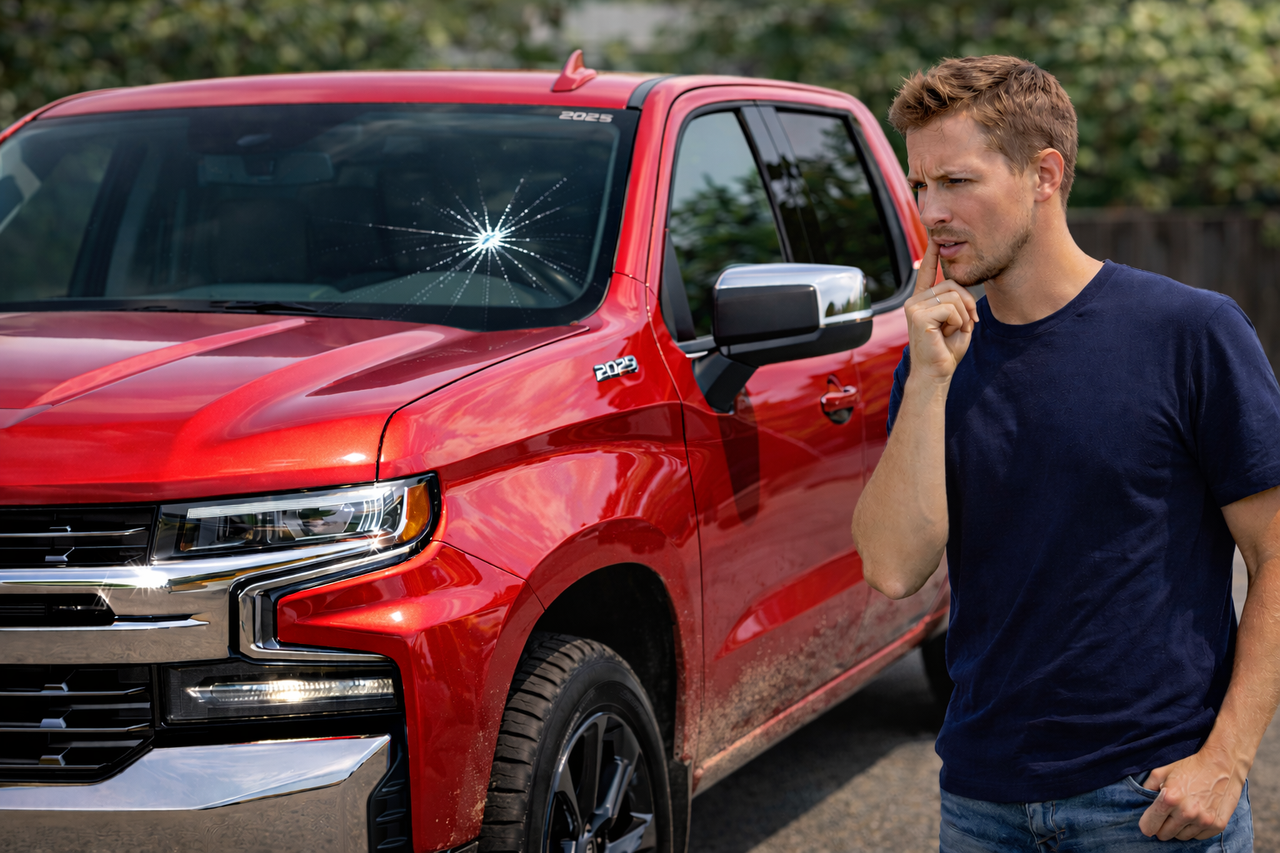
A quiet cabin often starts by avoiding replacement altogether. A coin-sized chip can typically be stabilized in 20 to 30 minutes, and a good repair prevents the chip from running and saves the factory seal. With rock chip repair Sanford customers sometimes hesitate, hoping the mark won’t spread. Hot days, cool evenings, and a new pothole usually prove otherwise.
Windshield repair has its own quality markers. Look for resin fully filling the cone of damage, minimal trapped air, and a cured surface that’s flush with the glass around it. You may still see a faint mark at certain angles, but a proper repair restores most of the strength and preserves the OEM fit that’s hardest to replicate. If the crack is longer than a few inches, crosses into the driver’s critical viewing area, or has debris and moisture embedded, replacement becomes the safer option.
For side and rear glass, repair is rarely an option. If you’re dealing with a broken door glass or vent window, a sanford car window replacement is usually straightforward and, if done carefully, won’t affect cabin wind noise. Door seals and window channels matter more in that case. Ask the shop to vacuum inside the door cavity and verify the vapor barrier is resealed. A flapping barrier can sound like wind and is often misdiagnosed.
Adhesive chemistry and the cure clock
The adhesive that holds your windshield in place is moisture-curing urethane. It reacts with humidity, which Sanford provides in abundance. That’s good for cure speed but still requires patience. Safe drive-away time depends on:
- Bead thickness. Thicker beads take longer to cure through the center.
- Temperature and humidity. A typical Florida afternoon helps, but AC blasting on the dash right after install can cool the bond area and slow cure at the top edge.
- Vehicle airbags. Cars with dual-stage or advanced front airbags often require higher-spec urethane and longer cure to meet FMVSS crash standards.
If a shop tells you 30 minutes, they’re likely using a premium, fast-cure product and set a tight bead. If they say two to four hours, they’re balancing safety with real-world conditions. Both can be correct. Your part is simple: don’t slam doors, avoid car washes for 48 hours, and try not to drive on rough roads until the first evening. Door slams can flex the body and burp air through the uncured bead, creating a pinhole that later sings at speed.
Calibrations and why they matter for noise
It seems odd to link camera calibration with wind noise, but I’ve seen it. If the glass sits a few millimeters off center, a static calibration rig might still pull a camera into spec, yet the trim alignment will be off and the top molding won’t seal evenly. A shop focused on both ADAS and acoustics will prioritize mechanical alignment first, then calibrate. That sequence prevents “calibration success” masking a physical fit problem.
If your dash shows warnings after a sanford windshield repair or replacement, go back promptly. Calibration issues are safety problems. While you’re there, mention any noise. The tech will be in the car anyway and can chase both issues in a single visit.
The value of choosing the right shop in Sanford
Not all glass is identical. OE-branded windshields often include acoustic layers and better-fitting top moldings. Quality aftermarket glass can match well, but the margin for error is smaller if the molding rides high or the curvature is slightly different. A shop that works with both will guide you. For some models, the cost difference is modest compared to the long-term comfort of a quieter cabin.
In the local market, you’ll see options for auto glass Sanford including national chains, independent shops with storefront bays, and mobile-only crews. What separates them isn’t only price, it’s process. Ask a few pointed questions:
- Do you replace A-pillar and cowl clips proactively or only if they break?
- What urethane brand and safe drive-away time do you use for my vehicle?
- Will you water-test and road-test, and can I ride along to point out the noise if I hear it?
- If wind noise appears, what’s the warranty and how soon can you recheck it?
- Can you handle calibration if my car requires it, or will you coordinate with a calibration partner?
Good answers include specifics, not vague assurances. A shop that mentions primer lot tracking, body protection, and post-install checklists will usually deliver a better result.
A short, practical road test routine
Once your new windshield is in, take 10 minutes on familiar roads to listen. You don’t need fancy tools. You do need a method so you can describe any issue clearly. Try this:
- Drive at 35 to 45 mph with HVAC off and windows up. Note any new whistles around the A-pillars or mirror mount.
- Accelerate to 55 to 65 mph on a smooth stretch. Feather the steering slightly left and right in your lane, which shifts airflow at the edges of the glass. If the noise changes sharply with this gentle weave, it’s likely from a trim edge.
- Tap the interior A-pillar trim lightly with a couple of fingers. If the tone changes or you hear a buzz, a clip may need reseating.
- Turn HVAC to medium. Some defroster vents can whistle if trim near the base of the glass isn’t aligned. If noise appears only with the fan on, mention that detail.
A clear description helps the technician pinpoint the fix quickly. Most wind noise issues are resolved in under an hour once identified.
When the body is the problem, not the glass
Not every noise after a windshield replacement is the installer’s fault. Older vehicles in Florida can carry subtle rust at the pinch weld. That rust hides under paint until the old glass comes out. If the tech finds it, the right move is to treat and prime the metal, sometimes with a rust converter, then allow proper drying before the new bead. That extra step adds time, and if skipped, a tiny pocket will form under the urethane. On the highway, it becomes a whistle.
Collision repairs present another wrinkle. If the roof skin or A-pillar was replaced or pulled on a frame machine, the opening can be slightly out of square. Skilled installers can work around mild variance with setting blocks and careful bead shaping, but severe misalignment demands body work, not more urethane. If your wind noise appears after body repair and replacement glass, consider a measurement check at a body shop before blaming the glass.
Insurance, cost, and Florida realities
Florida law often makes windshield replacement a zero-deductible insurance claim for comprehensive coverage. That’s helpful, but it can also push work to the lowest bidder if you don’t specify a preferred provider. You’re allowed to choose the shop. If you care about cabin quiet, pick based on reputation and process, not on who promised the fastest slot. In my experience, a next-morning appointment with the right team beats a same-day rush job that leads to two follow-ups.
For rock chip repair Sanford pricing usually ranges modestly out of pocket if you skip insurance, and the long-term payoff is big. A $75 to $120 repair prevents a replacement that could run several hundred dollars and introduces the possibility of noise if not done perfectly.
Preventive habits that keep things quiet
A few habits reduce the odds you’ll deal with wind noise again. Keep the cowl area clean. Leaves and pine needles trap moisture and degrade rubber edges. Hand wash around the moldings, not with a pressure washer pointed at the edges. Avoid slamming doors with windows fully up, especially during the first few days after any glass work. If you use sunshades that wedge under the mirror mount, insert and remove them gently. Over time, rough handling can loosen the rain sensor cover or mirror trim, both of which can buzz in a way that sounds like wind.
If you park outside under oaks, a simple windshield cover can cut sap and pollen crust that otherwise requires aggressive cleaning. Abrasive scrubbing near moldings is a silent enemy of long-term seals.
Troubleshooting notes from the field
A few memorable fixes come to mind. A late-model SUV developed a whistle at exactly 58 mph after a sanford windshield replacement. The cause wasn’t the glass at all, it was a tiny tear in the foam dam under the top molding, barely visible. Air lifted the molding, creating a reed effect. Replacing the dam and molding solved it immediately.
Another case involved a sedan where the customer swore the noise started with the new windshield. The road test revealed insurance auto glass sanford the sound changed with the blower fan. The cabin filter door under the glove box hadn’t latched fully after unrelated service. At speed, the pressure differential made it sing. We latched it and the “windshield” noise vanished.
On a pickup, the cowl clips snapped during removal, and a tech reused them to keep the job moving. The cowl sat a few millimeters low, channeling air straight at the lower glass edge. Fresh clips and a cowl adjustment cured the rushing sound. The lesson is simple: small plastic parts matter, and replacing them is part of a proper job.
Where mobile fits, and where a bay is better
Mobile work shines for straight swaps in good weather on vehicles without complex calibration needs. If your car needs static camera calibration, or if the pinch weld has corrosion, a shop bay is the smarter choice. The controlled environment lets the tech level the bead precisely, cure without surprise rain showers, and run a pressure or smoke test if needed. Mobile auto glass Sanford teams who do high-quality work will tell you when a bay is the right call. Listen to them.
A quiet windshield is the standard, not a bonus
Wind noise after replacement isn’t something you have to live with. It’s a signal that something small needs attention. Choosing a shop that values fit, uses the right consumables, and stands behind the work makes all the difference. Whether you’re booking sanford windshield repair for a fresh chip, setting a sanford auto glass replacement through insurance, or lining up sanford mobile windshield repair because you’re commuting to Orlando, the same expectations apply: correct parts, clean prep, consistent urethane, proper cure, careful trim, and a real road test.
If you do hear something after the job, reach out quickly. Clear notes about when it happens and where you hear it help the fix go faster. Most of the time, you’ll be back on the road within a day, enjoying the quiet that a well-fitted windshield provides.
And a final note for drivers who’ve put off addressing a cracked windshield Sanford roads aren’t forgiving. Heat, humidity, and afternoon storms make small damage grow. A prompt repair preserves your factory seal and the serene cabin that came with it. When replacement is necessary, insist on the process and the care that keep wind on the outside, where it belongs.
Leave a Reply