When a windshield cracks on I‑4 or a rock chip spreads across your line of sight during a Lake Mary commute, the first call you make matters. Auto glass is not just another car part, it is a structural safety component that supports the roof, frames airbag deployment, and keeps you from being ejected in a crash. Choosing the right shop in Sanford affects both safety and long term cost. I have sat on both sides of the counter, managing repair operations and dealing with insurers, and there are clear signals that separate a reliable outfit from the rest.
This guide focuses on practical criteria you can verify. It also touches the realities unique to our area, like humidity, sudden afternoon storms, and mobile traffic around Sanford. Whether you need sanford windshield repair for a small chip or a full sanford auto glass replacement after a highway mishap, a little diligence pays off.
Safety first, not sticker price
A cheap windshield cracked windshield sanford can be worse than no repair at all. Adhesive quality, technician skill, and calibration affect how your vehicle behaves in a crash. I have seen bargain installs where rain seeped into the A‑pillars within a week, then mold took hold under the carpet. The owner saved 80 dollars on day one and spent 1,500 fixing electrical issues six months later.
When you compare providers for auto glass sanford, ask about the adhesive system and cure times, and whether they follow the vehicle manufacturer’s procedures. You want a shop that explains why they use a specific urethane, what temperature and humidity do to curing, and exactly when the car is safe to drive again. If the answer sounds vague, keep shopping.
Understanding the difference between repair and replacement
Not every crack mandates a new windshield. Conversely, not every chip is safe to repair. The tradeoffs hinge on damage location, size, and depth, and the presence of driver assistance cameras. A typical rule of thumb is that a chip smaller than a quarter and away from the driver’s primary viewing area can often be repaired. Long cracks that reach the edge usually require sanford windshield replacement.
A good sanford auto glass repair technician will place a ring gauge over the damage, check for legs and star patterns, inspect the inner layer for shadowing, and view it from the inside under polarized light. This level of assessment takes three to five minutes and tells you whether a rock chip repair sanford can restore structural integrity or if you should switch to replacement.
Keep in mind that repairs improve strength more than cosmetics. You might still see a faint blemish. A shop that overpromises a perfectly invisible repair is overselling.
OEM vs aftermarket glass: what matters and what does not
There are three common options in the Sanford market: OEM branded glass from the vehicle manufacturer, OEM‑equivalent glass from the same factory but without the automaker logo, and aftermarket glass from third party manufacturers. High end models with complex acoustic layers, hydrophobic coatings, or heads‑up display zones tend to benefit from OEM or OEM‑equivalent. For mainstream vehicles without specialized features, quality aftermarket glass can perform well if it meets ANSI/AGSC standards.
Where most people see a difference is not optical clarity, it is the fit around the edges and embedded features. A poor fit creates wind noise above 45 mph and can pool water at the cowl after storms. Ask your sanford auto glass replacement shop which brand they’ll install and whether it matches your original spec for acoustic interlayers, solar tint bands, and mounting brackets for rain sensors. Have them show you the glass label before installation. The label reveals the manufacturer, model, and compliance markings.
ADAS calibration is not optional anymore
Many late model vehicles rely on forward‑facing cameras for lane keeping and emergency braking. Those cameras sit behind the windshield. Replace the glass and you change the optical path. If the ADAS system is not calibrated, the sensors can misjudge distances. I have seen cars drift out of lanes after a cheap install where the camera sat a few millimeters off center.
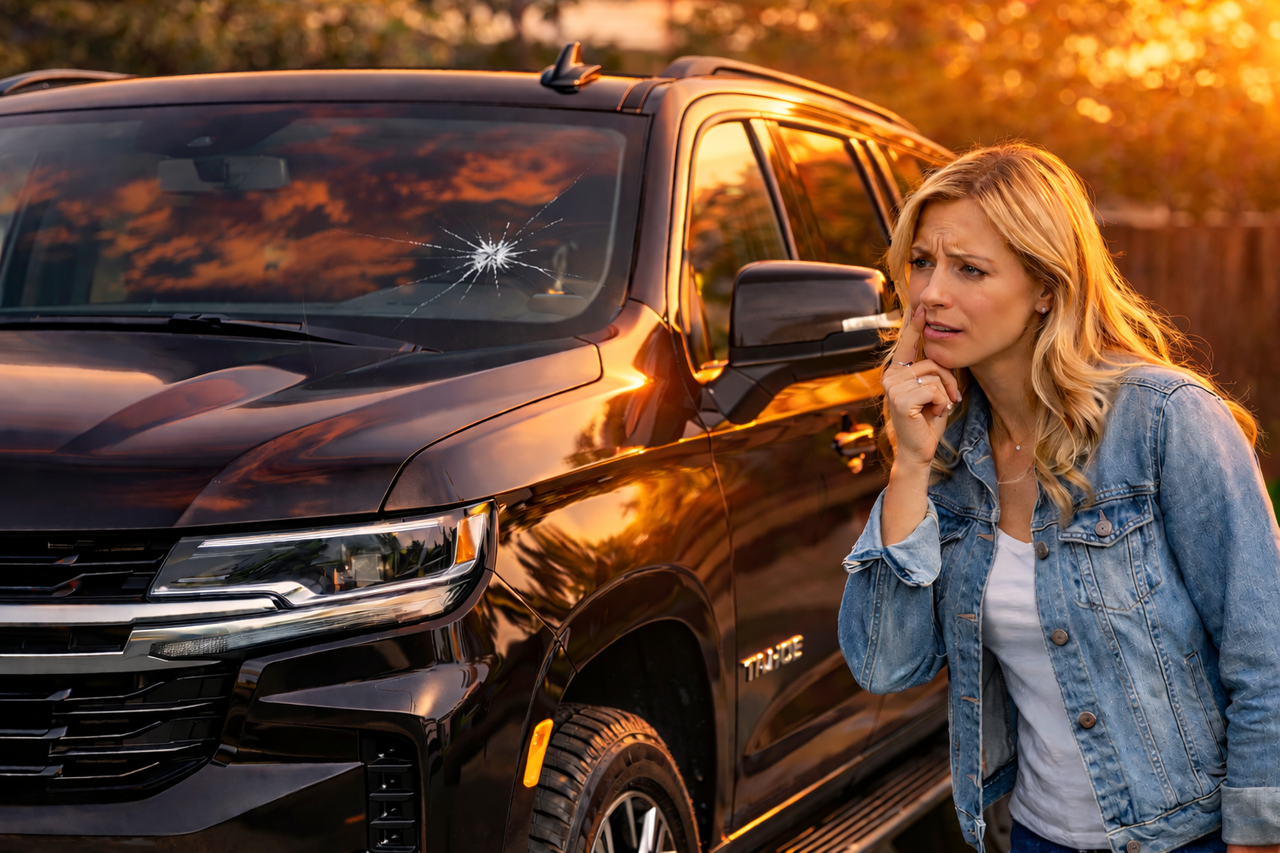
For sanford windshield replacement on ADAS‑equipped vehicles, you need a provider who can perform dynamic, static, or hybrid calibration according to the vehicle maker’s procedure. That might mean a drive cycle at specific speeds on marked roads, or a target board setup in a level bay with controlled lighting. Ask if they have OE‑level scan tools, target kits, and trained personnel. If the answer is, “The light went off after the test drive,” that is not calibration. Insist on a calibration report printout or digital file that shows pre‑ and post‑scan data.
Mobile service in Sanford: convenience, weather, and cure times
Mobile auto glass sanford repair is invaluable if you are juggling work in downtown Sanford or a pickup at Seminole Towne Center. I like mobile service for chip repairs and some replacements, provided the team respects environmental limits. Urethanes cure based on temperature and humidity. Central Florida’s afternoon storms and high moisture can slow the process. A competent sanford mobile windshield repair tech will monitor surface temperatures, shield the work area from rain and dust, and use adhesives rated for mobile use.
Pay attention to safe drive‑away time. That is the minimum curing time before you can safely drive, not the total cure time. Under summer heat, some urethanes cure to a safe bond in 30 to 60 minutes. In cooler months, expect 60 to 120 minutes. If your schedule is tight, discuss this upfront. A serious provider will not cut corners to squeeze into your lunch break.
Insurance: claims, glass coverage, and network games
Florida insurance policies often carry separate glass coverage with zero deductible for windshield replacement, but terms vary. Some carriers steer you to their preferred network. You are not obligated to use that network if you prefer a different sanford auto glass repair shop, although billing can be smoother with in‑network providers. I have processed hundreds of claims. The fastest approvals happen when the shop submits photos of the damage, the VIN, and the glass part number up front.
Beware of over‑the‑top freebies that come with an insurance claim. If a representative in a parking lot promises gift cards, paintless dent repair, or a free detail with your sanford windshield repair, walk away. Those promotions tend to signal billing games that can come back to bite you if the insurer audits the claim.
How to vet a provider’s craftsmanship in one visit
Walk into the shop if you can. Look for a clean, organized bay and proper rack systems to hold glass. Ask to see a finished car waiting for pickup. Run your fingers along the molding, check for even gaps, and listen for loose trim. Peek at the dash and A‑pillars for smudges or adhesive strings. Good techs wipe down contact points and leave no residue.
Ask about rust management. Florida vehicles, especially older trucks and SUVs, often have minor corrosion under the molding. The correct approach is to remove rust, treat the metal, and prime it before adhesion. Skipping this step leads to leaks a few months later. If a shop tells you “we don’t touch rust,” they are telling you they will bond urethane to a compromised surface.
Turnaround times that make sense
For a standard sedan without ADAS, sanford car window replacement or windshield swaps often take 90 to 150 minutes plus curing time. Add 30 to 90 minutes for ADAS calibration depending on the method. Same day service is reasonable if the glass is in stock. If a shop promises a 30 minute replacement from roll‑in to roll‑out, they are conflating working time with curing time, which is a red flag.
Chip repairs take 20 to 40 minutes, factoring setup and resin curing. If you catch a rock chip repair sanford quickly, you can often be back on the road before a meeting ends. After a repair, the shop should advise you to avoid power car washes for 24 hours and direct sun heat for a few hours to prevent rapid expansion over the repaired area.
Pricing that tells you what you’re paying for
Prices vary by glass type, sensor complexity, moldings, and availability. A compact car windshield without sensors may run 250 to 450 dollars installed. Add rain sensors or acoustic layers and you might see 350 to 700. High‑end ADAS windshields or ones with infrared coatings can exceed 1,000. The Sanford market usually sits a bit lower than large metro averages, but supply swings matter. Hail events upstate can tighten inventory statewide for weeks.
Ask for an itemized estimate. You should see line items for glass, moldings or clips, urethane/consumables, labor, and calibration. Itemization makes it easier to compare providers. It also forces shops to show whether they are reusing brittle clips, a common corner cut that causes rattles later.
When mobile service is not the right choice
Even though sanford mobile windshield repair is convenient, an in‑shop replacement is better for certain cases. Static ADAS calibration requires target boards set up on a level surface at precise distances. Some mobile teams do carry portable rigs, but parking lots introduce slopes and lighting variability. Heavy rain, high winds, or temperatures outside the urethane’s safe range also argue for a shop visit. Large SUVs and vans with big panes benefit from overhead cranes to place the glass without flexing it, something you rarely see in a mobile setup.
Materials and methods that separate pros from dabblers
Watch how a technician preps the pinch weld. Professionals use de‑betters or specialized scrapers to remove old urethane down to a controlled thickness, then apply an OEM‑spec primer system. They do not grind the surface bare unless dealing with rust. They dry fit the glass, lay a continuous bead with consistent height, then seat the glass with firm, even pressure. They center the glass relative to the body, not the moldings. The difference shows up at highway speed, where poorly centered glass hums.
On side and rear windows, a sanford car window replacement should include new guides, clips, and seals if the originals are cracked. It is common to find broken plastic guides in older models. Reusing them to save 15 dollars often leads to windows that creep or chatter.
Warranty terms that actually protect you
A solid warranty covers leaks, wind noise, stress cracks from installation, and defects in materials for as long as you own the vehicle. Some shops also include a one‑year coverage on chip repairs, meaning they will credit the repair cost toward replacement if the chip spreads. Read the exclusions. Impact damage from new rocks is obviously not covered, but ambiguous language around “environmental damage” can be a loophole to deny legitimate leak claims after a storm.
Keep your paperwork. If a leak appears months later, photographs of the seep and damp headliner help the shop trace the problem. Reputable providers in the auto glass sanford market will schedule a water test and fix their work without drama.
Local realities: what Sanford drivers deal with
Construction debris, summer downpours, and fluctuating humidity are not abstract factors. On 417 and around the 46 corridor, trucks shed gravel that becomes windshield chips. Afternoon storms drive water into any weakness. High humidity slows cures if a tech chooses the wrong adhesive. A shop that works here regularly will select urethanes with cure profiles matched to our climate and carry portable rain canopies for mobile jobs.
Timing matters too. Schedule sanford windshield repair on a dry morning when possible. If you must do it late in the day and outdoors, ask the tech about sheltered work areas and cure acceleration under heat lamps. And if the forecast shows gusts above 20 mph, reschedule mobile jobs. Wind can throw dust onto the bonding surface, compromising adhesion.
Recognizing honest advice when you hear it
You will know you are talking to a pro when they explain why a chip is repairable or not without leaning on pressure tactics. They will ask about your insurance, but they will also outline cash options. They will tell you when an aftermarket glass is fine, when OEM is worth it, and when a back order is likely because a part is scarce. Most importantly, they will set expectations about what a repair will look like and put it in writing.
Shops that emphasize speed over process, dodge calibration questions, or push freebies are telling you their priorities. That is not what you want in a component that holds your airbags in place.
A quick, practical checklist for choosing a provider
- Verifiable credentials: AGSC‑certified techs, proof of training on your make, and ADAS calibration capability with documentation.
- Materials clarity: specific glass brand, urethane type, and whether they replace moldings and clips.
- Environmental discipline: plan for rain, dust, temperature, and stated safe drive‑away times tailored to the day.
- Transparent pricing: itemized estimate including calibration, and a lifetime leak and workmanship warranty in writing.
- Professional habits: clean bay, careful pinch weld prep, rust treatment, post‑install water test, and attention to interior cleanliness.
Special cases: classic cars, RVs, and commercial fleets
Classic vehicles often use gasket‑set windshields rather than bonded designs. These require different tools, rope‑in techniques, and sometimes custom glass cutting. Ask whether the shop has experience with classics and whether they will source new gaskets. RVs and commercial vans introduce size and access constraints. A provider that handles fleets can often schedule after‑hours mobile service and carry liability coverage fit for commercial clients. They also tend to stock common fleet glass, cutting downtime after a cracked windshield sanford incident sidelines a work vehicle.
What to expect on appointment day
For a sanford auto glass replacement in shop, plan to leave the vehicle for half a day if ADAS calibration is involved. Remove loose items from the dash and floor to make space for technicians. For mobile appointments, park on a level surface with enough clearance around the vehicle. The tech should photograph the vehicle before starting, then again after finishing, both to document condition and align liability.
During the job, resist the urge to open and close doors with the windows down. A sudden pressure change can disturb fresh urethane before it skins. After pickup, keep painter’s tape in place for 24 hours, avoid slamming doors, and skip high pressure washes for a couple of days. If you hear new wind noise at highway speed or see moisture after rain, call immediately. Reputable shops prefer to fix small issues before they become big ones.
When a repair beats a replacement, and vice versa
If you notice a bullseye chip within the first day or two, a sanford windshield repair can often restore strength to near original levels and prevent a crack from running. The key is speed. Heat cycles during Florida afternoons expand chips quickly. I keep a clear tape square in the glove compartment for emergencies. Covering the chip keeps out moisture and road grit until you can reach a shop.
If the damage sits in the driver’s primary viewing area, even a successful repair can leave a distortion that becomes eye fatigue on longer drives. In that case, replacement may be wiser. Similarly, if a crack touches the edge of the glass, the risk of propagation remains high. A seasoned tech will lay out these nuances without trying to upsell.
Final thoughts: make the provider earn your trust
A windshield is not a trim piece. It is part of the safety cage. Treating it that way changes how you shop. Ask the questions that reveal process, not just price. Expect clear answers about materials, calibration, and cure times. Observe the space and the habits. In Sanford, where mobile options are common and weather shifts fast, discipline matters as much as skill.
Choose a team that respects the craft. Whether you are booking mobile auto glass sanford for a quick rock chip repair or a full sanford windshield replacement with ADAS calibration, insist on the details that keep you safe. The right provider will not just install a sheet of glass. They will return a safety system to full strength, so your car behaves exactly as its engineers intended the next time the road throws the unexpected at you.
Leave a Reply