Windshield work seems simple from the outside. A technician shows up, removes the glass, sets a new one, and off you go. In practice, the quality of a Sanford windshield replacement hinges on dozens of small decisions made before anyone lifts a cold knife or lays a bead of urethane. Preparation matters, not just for speed, but for safety, structural integrity, and the clean, rattle-free finish you want to live with for years. I’ve seen flawless installs undone by a forgotten toll transponder and shaky jobs redeemed by a careful owner who cleared a proper work zone. If you’re scheduling sanford auto glass repair or considering mobile auto glass Sanford services, here’s how to get your car ready in a way that helps the technician do their best work and helps you get a better result.
What the windshield really does
Drivers often think of the windshield as a Sanford Auto Glass barrier against wind and bugs. On modern vehicles, it is also a structural member. The windshield helps maintain cabin rigidity, supports proper airbag deployment, and keeps the roof from collapsing as quickly in a rollover. Late-model cars rely on high-modulus urethane to bond the glass to a painted pinch weld. When the bond is sound, the glass becomes part of the vehicle’s shell. When the bond is compromised by a greasy fingerprint, a lift of rust, or the wrong primer, the whole safety system suffers.
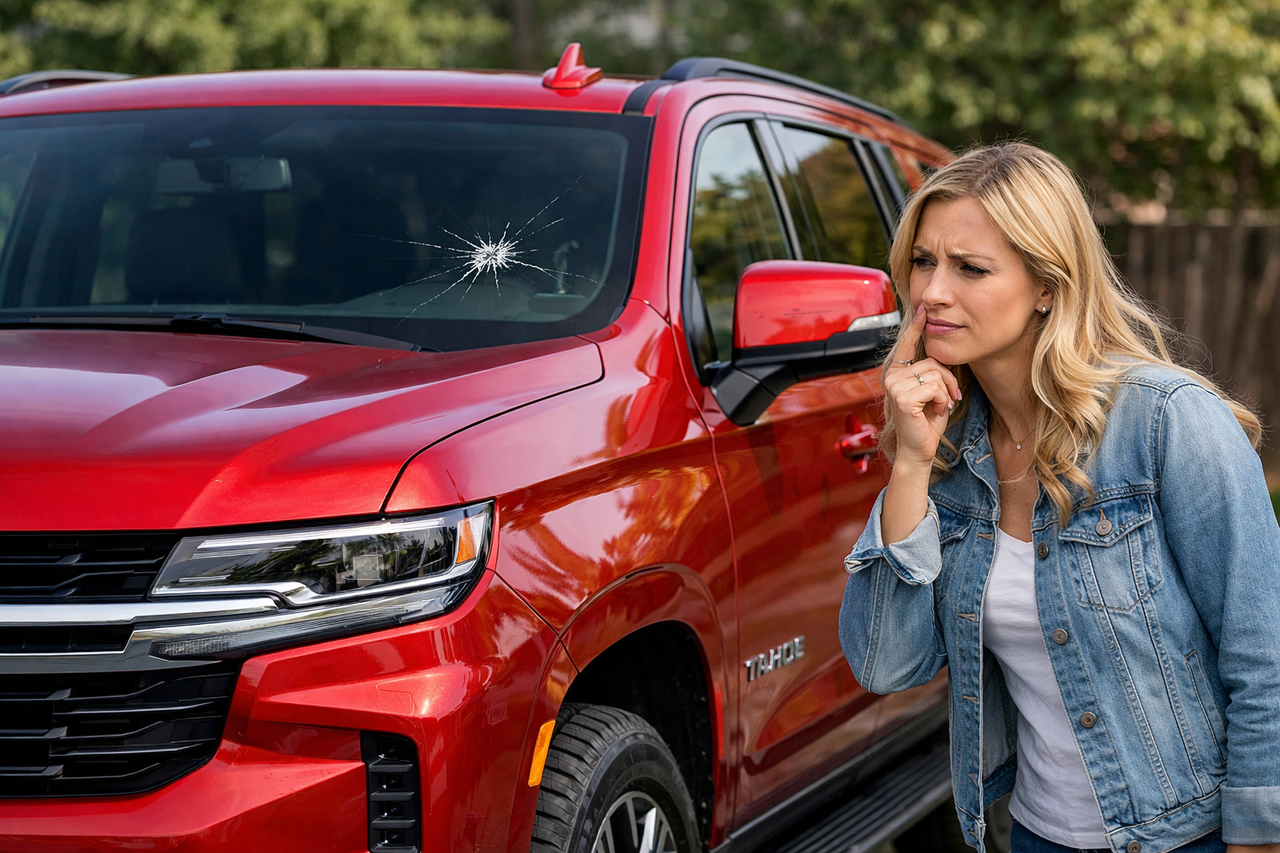
This is why preparation matters, whether it’s a quick rock chip repair Sanford drivers schedule the same day or a full sanford auto glass replacement after a nasty crack spreads across your line of sight.
Choosing shop or mobile, and why it affects your prep
Sanford gives you options. You can visit a fixed shop for sanford windshield replacement, or opt for sanford mobile windshield repair at home or work. Both can be excellent. The right choice comes down to conditions and complexity.
A controlled shop environment is hard to beat on a windy, rainy afternoon. Adhesives cure more predictably between 70 and 85 degrees Fahrenheit with moderate humidity, and a shop has stands, lighting, and glass handling equipment. If your vehicle has complicated Advanced Driver Assistance Systems, or if the pinch weld has visible rust, a shop often makes sense.
Mobile auto glass Sanford service shines when the weather cooperates and your schedule doesn’t. A high-quality mobile team can perform a factory-grade install on your driveway, provided there is space, shade, and a reasonably clean surface to work around. For many cracked windshield Sanford scenarios after a highway pebble strike, the mobile route gets you back on the road without juggling rides.
Your preparation changes with the setting. In a shop, you’ll focus on personal items and logistics. For mobile work, you’ll also prepare a suitable workspace.
Confirm the basics before anyone touches the glass
A little fact-checking avoids ugly surprises. Vehicle windshields aren’t all interchangeable rectangles. A 2019 Accord EX and Touring can have different glass, sensors, and brackets. The VIN tells the installer which variant you need, but so do your eyes.
Take five minutes to look for these features:
- A camera or sensor cluster behind the mirror. If you see a trapezoid housing with a lens, you have forward camera ADAS and you’ll likely need calibration after replacement.
- A rain sensor, usually a gel pad against the glass near the mirror, and sometimes heated wiper park areas at the base of the windshield.
- Heads-up display. If your dash projects speed onto the windshield, the glass usually has a special interlayer and must be HUD-compatible.
- Acoustic glass. Many vehicles use a sound-dampening layer. It’s not just a luxury; ordering acoustic when the car came with it reduces cabin noise and vibration.
Share what you see with your sanford auto glass repair provider. If you’re booking sanford car window replacement for a side or rear window, note tint, defroster lines, and any attached antennas. The more precise the parts order, the smoother your day.
Weather and surface conditions matter more than owners realize
Adhesives have opinions. The urethane that bonds your new windshield cures by reacting with moisture in the air, but it still wants a Goldilocks zone. Too cold, and the initial set time stretches. Too hot and humid, and skinning happens too fast, inviting voids. Wind introduces dust that contaminates the bond line. Rain is a non-starter.
If you’re using mobile service, aim for:
- A flat parking spot with room to open the doors fully.
- Shade, either a garage, carport, or a tree that doesn’t drop debris. Temporary canopy tents work when winds are calm.
- A dry surface. Morning dew on the body is manageable, but steady drizzle is not.
Shops plan around weather. Mobile techs can do the same, but they need your help. If you can offer a garage bay, say so when you book. If you can’t, ask about their weather policy and fallback dates. A careful delay beats a compromised bond every time.
Clear the glass, the dash, and the immediate work area
Technicians spend more time than you think moving things that were never meant to live near a pinch weld. Your goal is to give them a clean perimeter.
Start inside. Remove any items on the dash and from the forward cupholders. Phones, coins, sunglasses, parking receipts, air fresheners, tissue boxes with sharp plastic edges, and dreamcatchers on the mirror all have a way of snagging heater hoses and vacuum cords. Take down toll transponders and dashcams. If your dashcam runs up the A-pillar, unplug it and leave the cable coiled on the passenger floor so the tech can access the trim without yanking.
Then move to the roof and cowl area. Remove magnetic flags, light bars, or seasonal decorations. Pop the hood if the tech asks to access the battery or cowl fasteners. If you have aftermarket bug deflectors or a vinyl wrap on the A-pillars, mention it in advance. Some deflectors must be loosened to lift the glass out cleanly. Wrap edges near the windshield should be taped back or protected to avoid lifting.
Finally, make space around the car. I ask for about 3 to 4 feet on each side. That gives room to swing the glass stand, move the setting device, and get a safe angle through the door frame. If you’re in an apartment complex, consider parking away from sprinklers and leaf blowers. Stray water and airborne grit are the enemy.
Disconnect accessories the right way
Modern cars bristle with electronics. During sanford auto glass replacement, power is sometimes disconnected to reset modules or protect circuits while removing the mirror assembly. If you have an aftermarket alarm, remote start, or dashcam hardwired to the fuse panel, know how to silence it and communicate those details.
For dashcams and radar detectors, unplug and remove mounts before the appointment. Strong adhesive mounts can tear headliner material if they are ripped off in a hurry. Warm them with a hair dryer and use dental floss to saw through the adhesive pad. Roll the residue off with your thumb, then wipe with isopropyl alcohol. Keep the adhesive pad if it’s intact, or have a replacement ready.
If a technician suggests disconnecting the battery for safety, make sure you have radio codes or infotainment credentials handy. Some brands still lock radios after power loss. It’s rare on late models, but when it happens, you’ll be glad you wrote down the PIN before you lost your presets.
The glass inside your car: shards, vacuuming, and what to expect
If you’re replacing a side window after a break-in, your preparation shifts to cleanup. Shattered tempered glass migrates everywhere. It falls into door cavities, tracks, and the carpet seam by the rocker panel. A good sanford car window replacement includes a thorough vacuum, but it helps to do a first pass yourself so no one kneels on a shard.
Wear gloves and a long-sleeve shirt. Scoop larger pieces with stiff cardboard into a thick trash bag. Vacuum slowly using a crevice tool. Press masking tape along seat seams to lift embedded crumbs of glass. Check child seat cushions. Then leave the deeper cavity vacuuming to the technician. They will pull the door panel, check the regulator, and vacuum the bottom of the door skin.
One more tip: if the rear quarter glass is gone, avoid parking with the broken side facing wind. Quarter glass openings funnel gusts that scatter tiny cubes into the cargo area. A temporary plastic cover taped along the painted body is better than taping to trim, which can pull finish off later.
Adhesives, primers, and cure times, translated into plain decisions
Technicians talk about safe drive-away time. It’s the minimum time after install before the vehicle can be driven without compromising the bond. That clock depends on urethane brand, temperature, humidity, and whether the car has a passenger airbag that relies on windshield support.
Most high-quality urethanes used in sanford windshield repair and replacement reach a safe drive-away between 30 minutes and 2 hours in favorable conditions. Cold days can push that higher. The number your technician gives you isn’t a suggestion. If you drive early, a sudden door slam or pothole can shift the glass before the adhesive has a firm skin.
Primers and cleaners are equally critical. The glass edge is prepped with a black ceramic frit that protects the bond from UV. The body’s pinch weld gets cleaned, sometimes lightly abraded, then primed to ensure adhesion. Any rust needs attention, not a quick cover. If a tech finds rust, expect a conversation about remediation. That may mean wire brushing and applying a rust-inhibiting primer, or in severe cases, deferring the install until the metal is repaired. It’s not upselling; the bond line is only as strong as the steel it sticks to.
Personal items and aftermarket parts that complicate removal
Over time we anchor more to the windshield than the factory ever planned. Sunshade clips, radar detector mounts, E-ZPass transponders, off-road GPS tablets, a two-way radio microphone. Each attachment is a potential obstacle during removal.
Plan which accessories you want reinstalled on the new glass and which you can live without. Factory mirror mounts and rain sensors must be transferred precisely, usually with new gel pads. Aftermarket mirror attachments glued to the glass will need re-anchoring to the ceramic pad area, not raw glass. If you have an older vehicle where the mirror button glued directly to the glass, the tech may need to re-bond it with a special epoxy and alignment tool. That adhesive requires its own cure time, often 15 to 30 minutes.
For tint, particularly a top strip, replacing the windshield may mean losing that band. If you plan to reapply, ask the shop to leave a slightly larger clear margin at the top for the tint film to bond well without fouling the headliner.
ADAS calibration: when, why, and how to plan your day around it
If your car has lane departure warning, adaptive cruise with a forward camera, or automatic emergency braking, replacing the windshield almost certainly requires calibration. There are two types: static, done in a controlled environment with targets, and dynamic, done on a prescribed road drive with specific speeds and lane markings. Some vehicles require both.
Calibration can add 30 minutes on straightforward models up to a few hours on complex ones. If you choose mobile service, ask whether calibration will be done on-site, at a partner facility, or at the shop afterward. Some mobile teams carry portable targets and can handle static calibration in a garage bay with level floors and clear space in front of the vehicle. Others schedule a follow-up. It’s better to plan a single trip when possible. Driving around with a camera that hasn’t been calibrated may disable safety features until the process is complete, and warning lights might clutter your dash.
Insurance, costs, and making the financial side painless
Florida’s insurance environment has changed in recent years. Some policies still offer reduced or zero-deductible coverage for windshields, while others apply the standard comprehensive deductible. Before you book sanford windshield repair or replacement, call your insurer or check your policy portal. Have your policy number and the date of loss handy. If you’re going the insurance route, many shops can file the claim on your behalf, but it helps to know your coverage details so you can approve or decline OEM glass.
As for cost, basic aftermarket windshields on common sedans can run in the low hundreds. Add HUD interlayers, acoustic glass, solar coatings, and camera brackets, and you can cross 800 to 1,200 dollars installed. OEM glass often costs more. I’ve seen late-model luxury SUVs exceed 1,500 dollars with calibration. Price isn’t the only metric. A reputable auto glass Sanford provider will tell you when aftermarket meets spec and when the OEM part avoids headaches like optical distortion or ADAS quirks.
Day-of appointment: what the technician needs from you
If you want an efficient, clean install, think about the dance that’s about to happen. The technician needs to open doors widely, move seats to a comfortable position, and sometimes lower both front windows to avoid pressure buildup when closing doors on fresh urethane. They’ll carry the old glass out and the new glass in using large suction cups. If they use a one-man setting tool, it needs a clear path.
This is also the moment to review the plan. Confirm the glass type, any moldings to be replaced, calibration needs, and adhesive cure time. If you have appearance concerns like a minor scratch on a pillar trim, point it out so it can be protected or, at the very least, not blamed on the job later. Most techs welcome the walk-around. It shows you care about the car and gives them a baseline.
Small steps after installation that preserve the bond and finish
The first 24 to 48 hours are when owners can make the biggest difference in long-term results. Urethane continues to cure and build strength beyond the safe drive-away window. Help it along by being gentle with the car.
Use these simple post-install habits:
- Keep a window cracked a half inch for the first day to equalize cabin pressure.
- Avoid rough roads, car washes, and high-pressure spray for 48 hours.
- Skip sunshades that wedge under the headliner until the urethane has fully cured.
- Don’t stick anything to the glass for a day, including transponders or dashcam mounts.
- Inspect the perimeter the next morning for water leaks by gently hosing the car and looking for beads inside.
If you hear a faint rubbery creak near the A-pillar over bumps, it might be the molding settling. Many of these noises disappear after a few temperature cycles. Persistent wind noise merits a call back. A reputable sanford auto glass replacement shop will stand behind the install and address air leaks or minor trimming issues.
The case for timely repair of chips and small cracks
A palm-sized chip repair done well can save hundreds and preserve the factory bond. Rock chip repair Sanford services inject resin into the damaged area, remove air, and cure with UV light. Done early, the repair restores significant strength and often makes the blemish nearly disappear. Wait too long, and moisture and dirt contaminate the break, limiting cosmetic improvement.
A rule of thumb: if the damage is smaller than a quarter and not in your direct line of sight, repair is a smart first step. If there are multiple hits, or a crack has spread beyond 6 to 8 inches, plan for replacement. Heat, AC blasts on a hot day, and rough roads can make a hairline crack run across a windshield in seconds. I’ve watched one snake from the passenger corner to the driver’s side on a single railroad crossing.
How to vet a provider without becoming a full-time auditor
You don’t need to quiz a shop on every line of the adhesive data sheet, but a few questions separate pros from pretenders. Ask what urethane system they use and the safe drive-away range. A clear answer with numbers is a good sign. Ask how they handle ADAS calibration for your year and model. If they don’t know whether your forward camera needs it, that’s a flag.
Look for technicians who talk about surface prep and rust treatment without being prompted, and who carry fresh, sealed primers rather than half-dried bottles. If you’re booking mobile, ask how they mitigate dust on breezy days. A team that mentions using a portable wind screen or rescheduling when needed has its priorities straight.
Finally, observe how they handle the old glass. Responsible disposal should be part of the service. If they leave you with a glittering trail down your driveway, that’s not the outfit you want touching your ADAS camera bracket.
Special cases: classic cars, RVs, and commercial vehicles
Not every windshield is a bonded, glued panel. Classic trucks and older sedans may use a rubber gasket system. Removal and installation differ, and so does prep. You’ll want fresh weatherstrip, sometimes specific rope-in techniques, and more patience around brittle trim. RVs and buses can require two techs and specialized suction equipment, and windshields often come in two-piece configurations with center mullions. If you’re in this category, book time well in advance. Lead times on glass can be weeks rather than days, and indoor space becomes more critical.
For commercial vehicles, factor in downtime. Coordinate sanford mobile windshield repair at a yard during non-peak hours and clear space for a large glass rack. Make sure fleet decals or DOT numbers near the glass are photographed so they can be replicated if removed during the process.
Managing expectations about optics and “new glass feel”
Even perfect glass has character. Optical waviness, called distortion or roller wave, is more noticeable in certain lighting and angles. OEM parts typically have tighter tolerances than some aftermarket options, though high-end aftermarket lines can be excellent. If you are picky about optics and you drive long stretches where you stare at distant lane lines, mention this. Paying a bit more for the part that matches factory specs can be worth it.
Expect a clearer, slightly different acoustic note. Fresh acoustic glass and new cowl clips can change the way the cabin sounds. That’s normal. What’s not normal is a whistle that starts at a specific speed or a wet A-pillar after a storm. Those are fixable issues and should be handled under workmanship warranty.
A concise prep checklist you can copy into your calendar
- Verify features: camera, rain sensor, HUD, acoustic. Share with the shop.
- Choose location: shop or mobile. Arrange shade and space if mobile.
- Clear the area: dash, mirror hangings, transponders, roof items, and cupholders.
- Disconnect accessories carefully: dashcam, radar detector, aftermarket mounts.
- Plan for calibration: ask how and where, and budget the extra time.
- Confirm insurance and parts choice: OEM vs high-quality aftermarket.
- Day-of: provide keys, open space, move seats, and confirm safe drive-away time.
- Post-install: crack a window, avoid car washes and rough roads for 48 hours, and test for leaks gently.
When a quick repair beats a replacement
Not every crack spells replacement. A star break from a rock at highway speed can often be stabilized within 20 to 30 minutes if you act fast. Many sanford windshield repair pros offer same-day mobile service for chip fills. That’s where the term mobile auto glass Sanford earns its keep. Keep the area dry. If rain is imminent, cover the chip with clear tape to keep out water and dirt. Avoid blasting the defroster directly at the cold chip; thermal shock makes small problems big.
If you routinely drive I-4 or the 417 where debris is common, consider a small kit with alcohol wipes and clear tape in the glove box. It’s not a fix, just a way to give your technician a cleaner break to work with.
Final thought: preparation is leverage
You can’t control how a boulder falls off a dump truck or when a temperature swing makes a hairline crack sprint across the glass. You can control how ready your car is for the people who fix it. Good preparation smooths the process for sanford auto glass repair, improves results for sanford windshield replacement, and shortens the path from cracked to clear. It takes an extra fifteen minutes to move a few things, plan for calibration, and clear a safe work area. Those minutes pay you back every mile you drive afterward.
Leave a Reply