Windshields rarely get the credit they deserve. Most drivers in Greensboro notice them only when a rock pops up on I‑40 or a spider crack spreads across the glass overnight. Yet that thin sandwich of glass and plastic is a primary structural element of your vehicle. It supports the roof in a rollover, serves as a backstop for airbags, and ties the front of the car together so it handles predictably. When it is compromised, everything from crash performance to visibility takes a step down.
I work around glass shops and collision centers enough to see the same pattern: a small chip, a delay, then a bigger problem that could have stayed small with prompt attention. This guide explains why that happens, what to do when it does, and how to make clear decisions about repair or replacement. It also speaks to Greensboro specifics, from humidity swings to the local mix of gravel and road salt that feeds those chips.
What your windshield actually does
Automotive windshields use laminated safety glass. Two layers of annealed or heat‑strengthened glass are bonded to a plastic interlayer, usually polyvinyl butyral. That interlayer keeps the glass from shattering into sharp pieces, but it also spreads impact energy and resists penetration. On many modern vehicles, the windshield contributes 30 percent or more of the body’s torsional rigidity. In a rollover, it helps the roof maintain its shape. In a frontal crash, it provides a surface for airbags to deploy against at the right angle.
The glass also hosts technology. Driver assistance systems rely on forward‑facing cameras mounted near the rearview mirror. Rain sensors, light sensors, and sometimes infrared coatings all live in or on the windshield. That makes modern greensboro windshield replacement more than a simple pane swap. It is a structural component with sensors that need precise calibration.
Why cracks spread in Greensboro
Cracks are dynamic. You may park with a small star break in the morning and return to a six‑inch runner by late afternoon. Heat is the driver. Greensboro summers push car interiors into triple digits even on 85‑degree days. Glass expands, but a crack interrupts the path. Stress concentrates at the tip and the crack lengthens. Winter mornings produce the opposite extreme. Rapid defroster heat on a frigid windshield creates a thermal gradient that can take a short crack and double it in minutes.
Moisture plays a role. That humid morning mist wicks into an open chip. If it freezes overnight, the water expands and pries the glass layers apart. Dirt adds another issue. Once contamination penetrates a chip, adhesives used in rock chip repair greensboro have a harder time bonding the damaged area, which lowers the chance of an invisible repair.
The upshot: time matters with cracked windshield greensboro cases. A chip repaired within a few days often restores 80 to 95 percent of original strength in that area and can render damage nearly invisible. Wait a few weeks through temperature swings and rain, and the same spot may be unrepairable.
Repair vs replacement: a judgment call worth getting right
I keep a simple mental grid when evaluating greensboro windshield repair versus greensboro windshield replacement. The decision hinges on size, location, and complexity.
- Size: As a rule of thumb, chips smaller than a quarter and cracks shorter than a credit card can be repaired. There are exceptions, but adhesive technology has limits.
- Location: Damage in the driver’s primary viewing area matters more. A perfectly strong repair that leaves minor distortion can still be a problem if it sits where your eyes focus. North Carolina safety inspections look at this area critically.
- Complexity: Multiple radiating cracks, crushed glass around impact points, or cracks that reach the edge of the windshield compromise overall integrity and are poor candidates for repair.
A seasoned technician in greensboro auto glass repair will also look for lamination separation, moisture staining, and contaminants in the break. If the resin cannot bond, you may get a cosmetic improvement but not structural recovery. At that point, greensboro auto glass replacement is the safer move.
What a proper chip repair accomplishes
A high‑quality rock chip repair uses vacuum and pressure cycles to evacuate air and moisture from the break and inject a UV‑curing resin with a refractive index close to glass. Once cured, the resin bridges the crack faces and restores load transfer. Done right, the break should be sealed against moisture and less visible from outside. From the driver’s seat, you may see a faint outline at certain angles. The important piece is structural: the crack tip should be blunted and stabilized.
In practice, I have seen repairs that stop a crack from growing for the remaining life of the vehicle, and I have seen poor work that fails within days. The difference often comes down to preparation. If you call for mobile auto glass greensboro service, ask whether the tech uses moisture extraction, whether they will work under a shelter in rain, and what resins they carry for different break types. Good shops vary viscosity based on star breaks versus bulls‑eyes.
When replacement becomes the responsible choice
A windshield that has taken a hard hit, shows long edge cracks, or has multiple breaks in the driver’s sightline should be replaced. For greensboro windshield replacement, you will choose between OEM glass and high‑quality aftermarket. OEM typically aligns perfectly with camera brackets and acoustic laminates, but premium aftermarket often matches performance at a lower price. The key is certification and fit. On vehicles with heads‑up displays, infrared coatings, or advanced driver assistance systems, the wrong glass can mean ghosting, poor sensor function, or wind noise.
Replacement is not just a remove‑and‑glue job. The urethane adhesive is structural. It must be the right product for your vehicle’s body stiffness and airbag design. Surface prep is critical. Old urethane needs to be trimmed to a proper profile, the pinchweld must be clean and primed, and the glass should be set precisely to avoid twist or gaps. Sloppy work shows up as wind noise at highway speeds and water leaks in our fall thunderstorms. Worse, it shows up in a crash when the windshield pops out under airbag load. Reputable greensboro auto glass repair shops follow adhesive manufacturer curing times. If they tell you the car is safe to drive immediately, that is a red flag unless they are using a fast‑cure urethane rated for that set time and temperature.
ADAS cameras and calibration after glass work
Many late‑model vehicles have lane keeping and forward collision systems that rely on a camera at the windshield. Disturbing that camera’s mounting angle by even a degree can shift where the system thinks the lane lines are. After greensboro mobile windshield repair that includes a glass replacement, a calibration is not optional. Static calibration uses targets and a level floor. Dynamic calibration requires a road drive at specific speeds with clean lane markings. Some vehicles demand both. If a shop offers greensboro windshield replacement without discussing ADAS calibration, ask why. Insurers typically authorize it when required.
I have seen owners skip this step, only to get beeps and warnings later or, worse, subtle performance issues where the vehicle nudges in the wrong direction. On a busy stretch of Wendover Avenue, that is not a risk worth taking.
Temporary steps when a crack appears
There is a quiet window after a chip happens when you can help your future self. If you are on US‑29 and hear that unmistakable ping, pull off safely when you can and inspect. If the damage is small and dry, put a clear piece of packing tape over it. This keeps moisture and dust out until you can see a greensboro windshield repair technician. Avoid car washes and power washers. Park in the shade. Skip the defroster blast at full heat. These small choices improve the odds of a clean repair.
The local reality: roads, weather, and shop logistics
Greensboro’s mix of interstates and construction zones means gravel gets tracked onto high‑speed lanes. Winter road treatments can leave pebbles in spring. Summer heat exaggerates crack growth, and the shoulder seasons bring big morning‑to‑afternoon temperature swings. That environment favors prompt action.
It also favors mobile service. Mobile auto glass auto glass greensboro greensboro crews can meet you at home or work, which makes it easier to act quickly. The best teams come equipped to handle weather. They carry pop‑up shelters, battery‑powered lamps for darker garages, and moisture control tools. If a shop insists on bringing the vehicle to the bay on a sunny day for a simple chip repair, ask if availability or process is the real driver. For full replacements with ADAS calibration, a controlled environment may be necessary. That is a reasonable request.
Insurance, cost, and what your policy actually covers
North Carolina policies vary. Some carriers cover rock chip repair at no cost and do not count it as a claim because the repair lowers their risk. Replacement typically falls under comprehensive with a deductible. On mid‑range vehicles, a standard windshield runs a few hundred dollars installed. Add rain sensors, acoustic interlayers, heated wiper parks, or camera housings, and the glass alone can exceed a thousand. Calibration adds another couple hundred. It is better to know these numbers before you are staring at a crack running across your field of view.
If you file a claim, choose the shop that will do the job correctly, then get the insurer aligned. Most major carriers work with multiple providers, and North Carolina regulations support your right to choose. A shop that handles greensboro auto glass replacement frequently will help navigate approvals and schedule calibration, which saves time and avoids back‑and‑forth.
What to expect during a professional replacement
Planned well, the process is straightforward. The technician protects your interior, removes trim as needed, and cuts the old urethane. The old glass comes out in one piece unless the damage is severe. The pinchweld is cleaned and primed. New urethane is applied with an even bead. The glass is set using alignment tools so it sits at the designed height and angle. Sensors and mirrors go back on with new adhesives when required. The tech verifies molding fit and cleans excess urethane. You will be told not to drive for a set period while the adhesive reaches safe drive‑away strength. In Greensboro’s summer heat, that can be shorter than in winter, but cutting corners here is not negotiable.
Shops doing greensboro mobile windshield repair should check wind noise and water seal with a gentle water test, not a pressure washer. They should also let you know if a return visit is needed for static camera calibration in the shop. Keep any stickers or passes off the glass until the urethane cures fully, usually 24 hours, to avoid shifting.
Aftercare that pays off
Once repaired or replaced, treat the windshield as a structural part, not just a view port. Replace wiper blades before they scratch the new surface. Clean with mild glass cleaner and a dedicated towel to avoid silicone transfer. Avoid slamming doors with windows up for a day after a replacement, since pressure spikes can disturb fresh urethane. In cold snaps, warm the cabin gradually so the inner glass heats evenly. These seem minor, but I have watched a perfectly good install get a fresh crack from a door slam in winter.
How structural integrity shows up on the road
Drivers sometimes ask me if they will feel any difference with a compromised windshield. Often, no, not in daily commuting. Yet certain cues emerge. A vehicle with a cracked windshield at the edges can develop an extra rattle over rough patches. Wind noise rises. In a hard stop, the chassis may flex in subtle ways that change how the steering feels. None of this is dramatic, but layer it with reduced performance if airbags deploy, and the math changes.
A local example sticks with me. A client had a small edge crack in late spring. Busy schedule, planned to deal with it after a trip. Two weeks of parking in direct sun later, the crack reached across the passenger side. On the return drive from Raleigh, a truck in the next lane pushed a wake of air that expanded the crack within seconds. No collision, just wind pressure. Replacement had now become inevitable and more expensive, with camera calibration. A simple early repair could have stabilized the original chip for a fraction of the cost.
Finding the right expertise in town
“Auto glass greensboro” brings up a list of shops and mobile crews, some excellent, some bare‑bones. Look past the ads and find proof of process. Do they explain their urethane choice and cure times? Do they have ADAS calibration capability or a partner shop set up for it? Are their techs AGRSS/AGRSC trained? Do they photograph the pinchweld prep? These are signs of a shop that treats glass as structural.
If your issue is a door glass or rear quarter pane rather than the windshield, the logic changes slightly. Those pieces are tempered rather than laminated. They shatter into beads on impact and always require greensboro car window replacement rather than repair. The installation process involves different adhesives and mounting hardware, and there is no ADAS camera to calibrate on side glass. That said, the shop discipline you want remains the same.
Common myths that cause expensive decisions
I hear three myths regularly. First, that you can delay a repair until the end of the season to “do it once.” Cracks do not wait until convenient times, and seasonal swings make damage worse. Second, that aftermarket glass is always inferior. Quality varies, but reputable brands often meet OEM specifications. On some models, they even come off the same production lines minus the automaker’s logo. Third, that mobile repair is inherently lower quality. It depends entirely on the crew and the conditions they create. A thoughtful mobile setup with proper shelters and tools can deliver top‑tier results. A rushed bay job can go wrong.
How to decide quickly and well
Use a simple path so small issues stay small.
- If the damage is a fresh, small chip and not in your core sightline, call for rock chip repair greensboro within 48 hours. Cover it with clear tape and keep it dry until the appointment.
- If the crack reaches an edge, crosses the driver’s viewing area, or is longer than a credit card, schedule greensboro windshield replacement and plan for ADAS calibration if your car has it.
That short checklist handles most situations without overthinking.
The role of communication with your shop
Bring specific information. Vehicle year, make, model, and trim matter because of sensors and glass variants. Mention if you have heated wiper areas, tinted bands, heads‑up displays, or any aftermarket stickers on the glass that you want saved. Ask about mobile options if your schedule is tight, but be open to a shop visit for calibration. Clarify warranty terms, especially for water leaks and stress cracks that appear within a week. Good shops in greensboro auto glass repair will stand behind their work.

A brief note on safety inspections and legality
North Carolina’s safety inspections look at glass condition with an eye on visibility and obstruction. A repair can pass if it leaves no significant distortion in the driver’s view. A sprawling crack across your line of sight likely will not. Law enforcement also has discretion if your windshield condition presents a safety risk. Nobody enjoys a fix‑it ticket, and it is an avoidable expense.
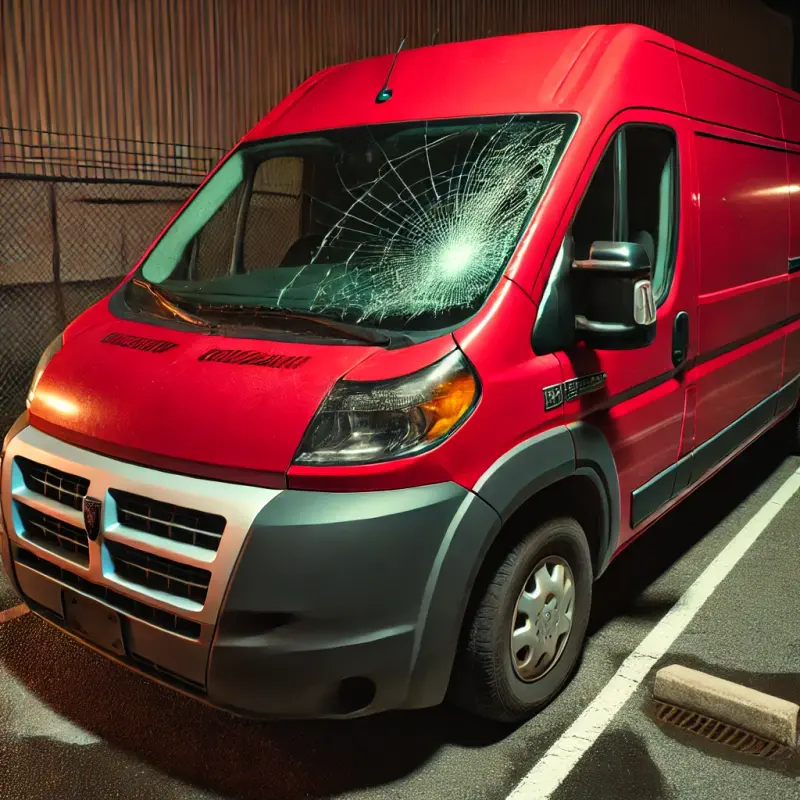
Final thoughts grounded in practice
Cracked windshields sit at the intersection of physics and daily life. The physics side is simple: cracks propagate under stress, and temperature and moisture are stress multipliers. The daily life side is harder: work, kids, errands, and a dozen other priorities make it easy to push glass down the list. The Greensboro environment adds its own push with heat, humidity, and fast roads littered with seasonal gravel.
Treat the glass as part of the vehicle’s skeleton, not an accessory. When you see damage, stabilize it and make the next available appointment. If repair is viable, you save money and maintain original factory seals. If replacement is necessary, insist on process, not just price. A properly installed windshield with the right adhesive and calibration returns the vehicle to its design intent. That is what structural integrity means in practice.
Whether you choose a brick‑and‑mortar specialist or a team focused on greensboro mobile windshield repair, look for the habits that predict quality: careful prep, correct materials, patience with cure time, and honest guidance on repair versus replacement. Those habits keep you safer on Gate City Boulevard at rush hour, quieter on weekend highway runs, and better prepared when North Carolina weather does what it always does, which is whatever it wants.
Leave a Reply